

Imagine this your HR team is constantly switching between spreadsheets, emails, and manual forms just to manage employee benefits. Open enrollment is approaching fast, and suddenly tracking health insurance, retirement plans, employee perks, and payroll deductions for hundreds of employees becomes overwhelming. Small errors start slipping in, employees feel confused, and your HR team ends up overloaded with repetitive administrative work.
Now picture a completely different scenario. Everything is managed through a single employee benefits software platform. Employees can easily enroll in their benefits, updates are automated, payroll deductions are synced without manual effort, compliance is tracked in real time, and reports are generated instantly. Instead of spending hours on paperwork, your HR team finally focuses on strategic initiatives that actually improve the workplace.
This is exactly where best employee benefits software makes a difference. Modern employee benefits management software and benefits administration software are designed to simplify complex HR processes, reduce manual errors, and create a seamless experience for both HR teams and employees. Whether it’s a cloud based benefits software solution or a fully integrated HRMS benefits management system, the goal remains the same—efficiency, accuracy, and better employee satisfaction.
In this guide, we’ll explore everything you need to know about choosing the best employee benefits software for HR teams, how it improves employee benefits management tools, and why businesses are rapidly shifting toward automated and digital solutions for benefits administration.
Why Employee Benefits Software is Essential for Modern HR Teams
Before we jump into the list of the 16 top employee benefits software, it’s important to understand why organizations are rapidly adopting employee benefits software as a core part of their HR technology stack.
Modern HR teams no longer rely on manual spreadsheets or disconnected systems. Instead, they use advanced employee benefits management software and benefits administration software to streamline every stage of benefits planning and execution. From enrollment to payroll deductions, everything is automated, reducing errors and saving valuable time.
With the rise of cloud based benefits software, companies can now manage employee benefits from anywhere, ensuring real-time updates and centralized control. These platforms also support compliance tracking, which is critical for businesses dealing with complex labor laws and insurance regulations.
Additionally, solutions like HRMS benefits management system and integrated payroll and benefits software help HR departments unify employee data, payroll processing, and benefits administration in one place. This not only improves accuracy but also enhances the overall employee experience.
Many organizations also prefer tools that offer employee self service benefits portal features, allowing employees to independently view, select, and manage their benefits. This reduces dependency on HR teams and improves transparency.
Ultimately, adopting modern employee benefits management tools and automated benefits administration software helps businesses scale efficiently, improve workforce satisfaction, and build a more productive HR ecosystem.
List of the 16 Top Employee Benefits Software
Following is the List of the 16 Top Employee Benefits Software that helps HR teams streamline employee benefits management software, simplify benefits administration software, and improve overall efficiency using modern employee benefits management tools and automated benefits administration software. These solutions are widely used as part of advanced HRMS benefits management system and integrated payroll and benefits software platforms to ensure smooth, error-free benefits operations.
- Zimyo
- Gusto
- Rippling
- Kota
- Workday
- Zenefits
- ADP Workforce Now
- Justworks
- Namely
- BambooHR
- Vantage Circle
- Businessolver
- Selerix
- Deel
- Ease
- Plum HQ
16 Top Employee Benefits Software: Explained in Detail for Employee Benefits Management
To ensure smooth and structured employee benefits management, choosing the right employee benefits software is essential for modern HR teams. It helps streamline employee benefits management software and simplifies benefits administration software processes with better accuracy and efficiency.
With tools like HRMS benefits management system, cloud based benefits software, and automated benefits administration software, organizations can reduce manual work and improve employee experience.
Below is the list of the top 16 employee benefits software to help you choose the best solution.
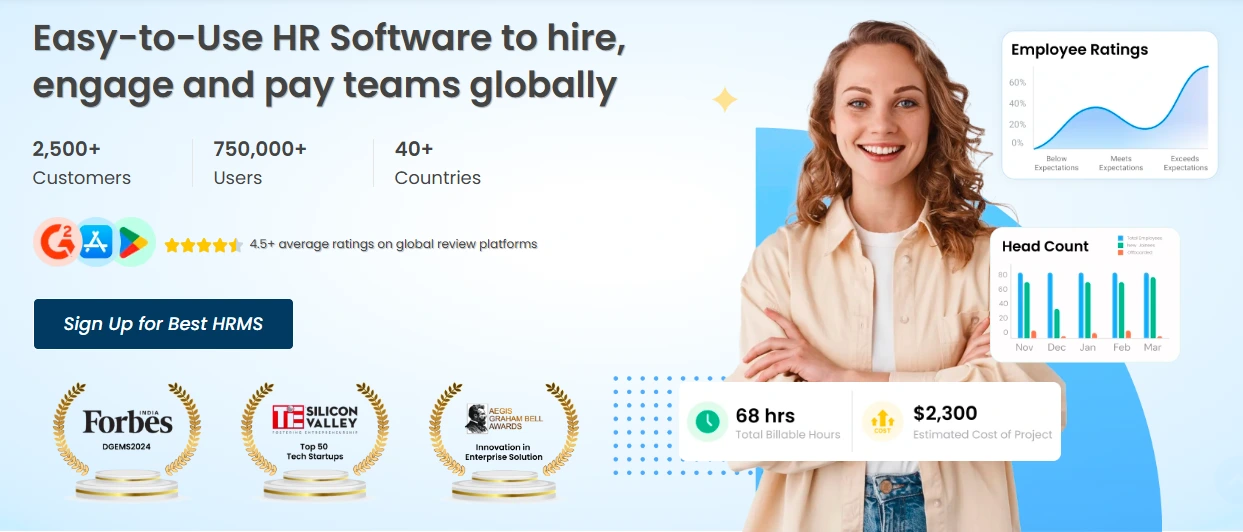
Zimyo started as a modern HRMS software platform and has evolved into a cloud based employee benefits platform that simplifies employee benefits management software, payroll, and compliance from a single dashboard. Today, it is recognized among the best employee benefits software solutions for 2026, especially for small and mid-sized businesses seeking efficient benefits administration software.
It also supports automated benefits administration software, integrated payroll and benefits software, and an employee self service benefits portal, helping HR teams reduce manual work and improve overall efficiency.
Features
- Built-in HRIS and benefits integration software for seamless data synchronization across HR systems and employee benefits management software modules.
- Flexible benefits administration software setup with instant enrollment and real-time tracking for better employee benefits management.
- Automated payroll deductions through integrated payroll and benefits software, reducing manual errors and improving accuracy.
- Employee self-service portal enabling access to claims, benefits, and payslips via an employee self service benefits portal.
- Advanced analytics dashboards in employee benefits management tools to track benefits usage, costs, and overall workforce benefits performance.
Pros and Cons
| Pros | Cons |
|---|---|
| Unified HR, payroll, and employee benefits management software in one platform | Limited brand recognition in some global markets |
| Easy to use for small and mid-sized businesses using benefits administration software | Advanced analytics features are still expanding |
| Cost-effective and scalable SaaS-based employee benefits management tools | Some integrations require initial setup time |
| Automated workflows through payroll and benefits software reduce manual errors | Customization options may be limited in basic plans |
2. Gusto
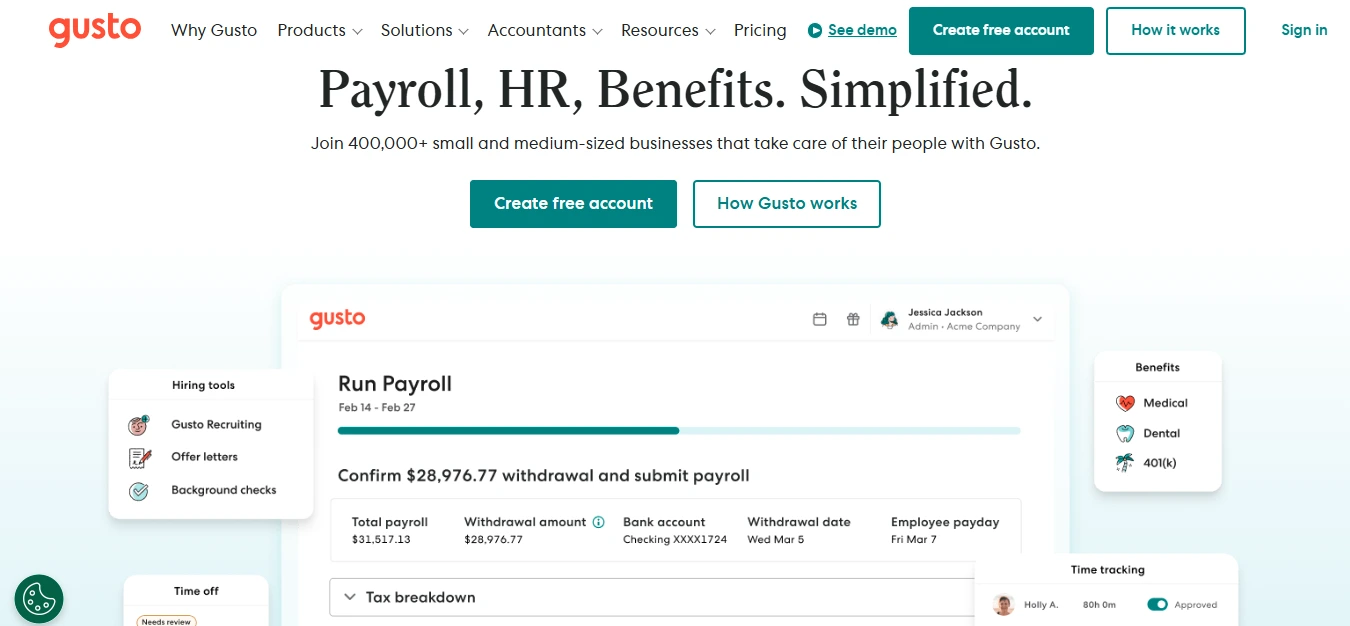
Gusto started in 2011 as a payroll-first platform and quickly expanded into a full employee benefits management software solution. It helps small and medium-sized businesses manage payroll, benefits, and HR compliance through a unified cloud-based system, making it one of the top employee benefits software 2026 options for modern HR teams.
Features
- Automated benefits enrollment and payroll integration (HR Benefits Software with Payroll Integration)
- Employee self-service portal for perks, claims, and tax forms
- Cloud-based dashboard with real-time reporting
Pros and Cons
Pros | Cons |
Easy setup for small businesses | Limited for very large enterprises |
Affordable and intuitive | Some global benefits options missing |
Payroll + benefits in one system | Advanced reporting limited |
3. Rippling
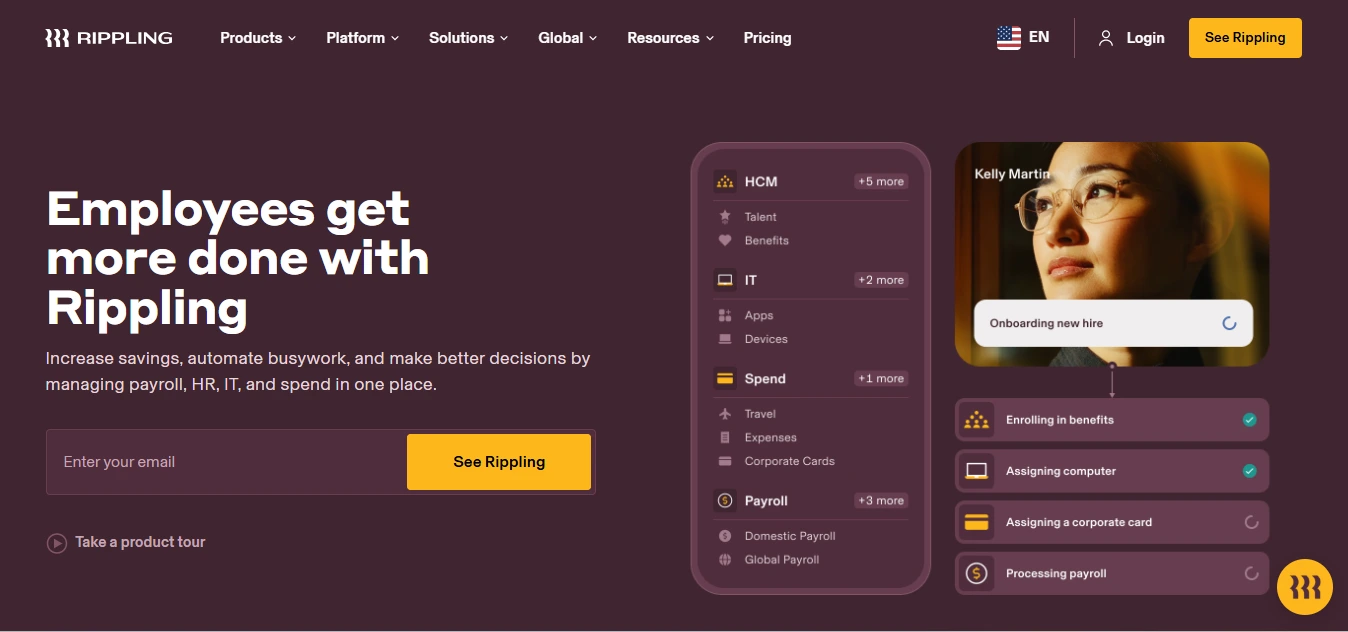
Founded in 2016, Rippling combines HR, payroll, IT, and employee benefits software USA capabilities in one unified platform. It automates employee onboarding, payroll, and benefits administration through a powerful employee benefits management software system, making it a scalable solution for companies of all sizes seeking modern benefits administration software.
Features
- Integration of IT and HR (Employee Benefits Automation Tools)
- Automatic benefits setup during onboarding
- Global compliance and payroll integration
Pros and Cons
Pros | Cons |
Unified HR and IT + benefits | Pricing increases with more modules |
Strong automation tools | Can be complex to set up initially |
Supports remote teams | Advanced reporting setup needed |
4. KOTA
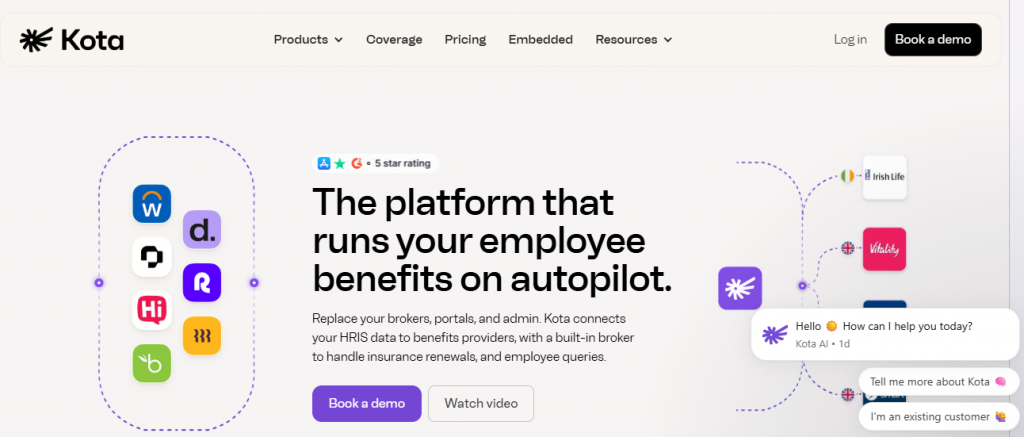
Kota is an employee benefits platform that brings benefits procurement, administration, employee management, and payroll coordination into a single platform. It combines built-in brokerage with direct integrations to benefits providers and HR systems, helping businesses manage health insurance, workplace pensions, life assurance, flexible benefits, and employee spend cards from one place.
It also supports automated benefits administration, HRIS and payroll synchronization, employee self-service, and benefits tracking, helping HR teams reduce manual work around enrolments, joiners and leavers, payroll deductions, renewals, and provider updates. Kota says its platform currently powers benefits for more than 100,000 employees and is designed particularly for scaling UK and Irish companies with around 10–500 employees.
Features
- Built-in benefits brokerage allowing businesses to compare quotes, procure benefits, and manage renewals without relying on a separate external broker.
- Automated benefits administration for employee enrolment, joiners, leavers, life events, provider updates, and ongoing benefits management.
- HRIS and payroll integrations with platforms such as HiBob, Personio, BambooHR, and others, helping keep employee data and payroll deductions synchronized.
- Employee benefits app giving employees access to benefit information, policy details, contributions, claims, and benefit management in one place.
- Benefits tracking and reporting tools providing visibility into enrolment, employer and employee contributions, benefit usage, and historical records for audits and compliance.
- Flexible benefits and spend cards that allow employers to offer additional allowances and benefits alongside core insurance and retirement products.
Pros and Cons
Pros | Cons |
Combines benefits brokerage, administration, and employee management in one platform | Primarily designed for UK and Irish companies |
Automates joiners, leavers, enrolment, payroll deductions, and provider updates | Benefit availability can vary depending on the employee’s country |
Integrates HRIS, benefits providers, and payroll workflows to reduce manual administration | Best suited to scaling companies, particularly those with around 10–500 employees |
Employee-facing app gives staff centralized access to their benefits | Some benefits and provider options may depend on the local market and eligibility |
Supports health insurance, pensions, life assurance, flexible benefits, and spend cards | Companies with highly specialized benefits requirements may need to confirm provider availability |
5. Workday
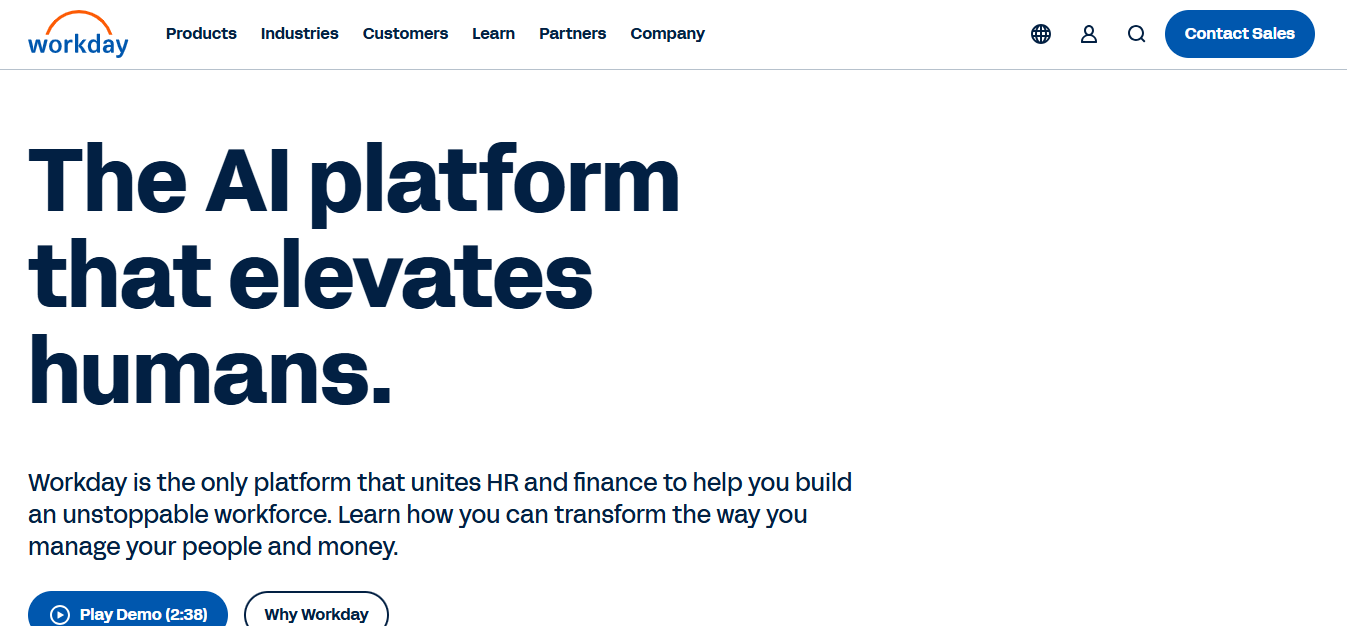
Workday is an enterprise-grade benefits administration software launched in 2005. It offers advanced analytics, workforce planning, and global compliance features through a powerful employee benefits management software system, making it one of the best employee benefits software USA solutions for large enterprises.
Features
- AI-powered workforce and benefits analytics (Employee Benefits Analytics Software)
- End-to-end benefits management across global locations
- Advanced workflow automation
Pros and Cons
Pros | Cons |
Excellent for large enterprises | Expensive and complex |
Deep analytics and compliance | Requires dedicated HR IT support |
Global benefits administration | Not ideal for small businesses |
6. Zenefits
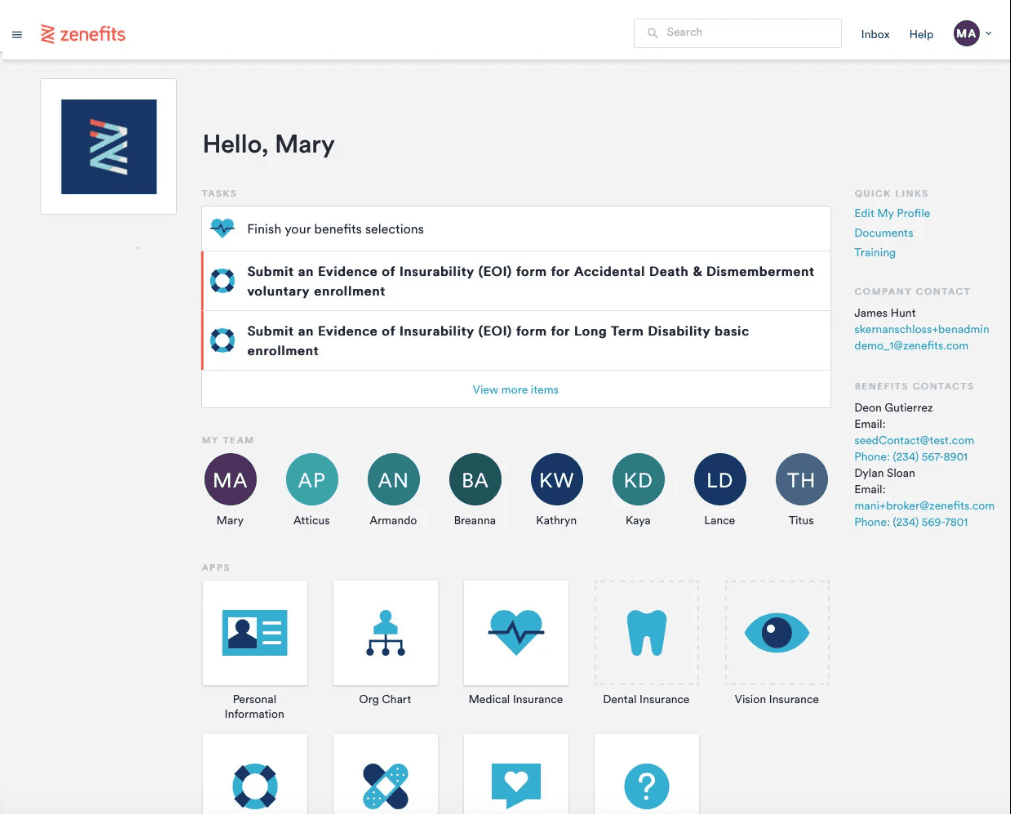
Zenefits (now part of TriNet) offers cloud based employee benefits platform solutions for small to mid-sized businesses. It streamlines payroll, HR, and benefits through a unified employee benefits management software system, making it a widely used benefits administration software for simplified workforce management.
Features
- Automated ACA compliance tracking (HR Compliance Benefits Software)
- Integration with multiple insurance providers
- Mobile-friendly benefits enrollment in Benefits Administration Software
Pros and Cons
Pros | Cons |
Easy to use for startups | Limited for large enterprises |
Affordable cloud solution | Advanced analytics limited |
Good mobile access | Some integrations require setup |
7. ADP Workforce Now
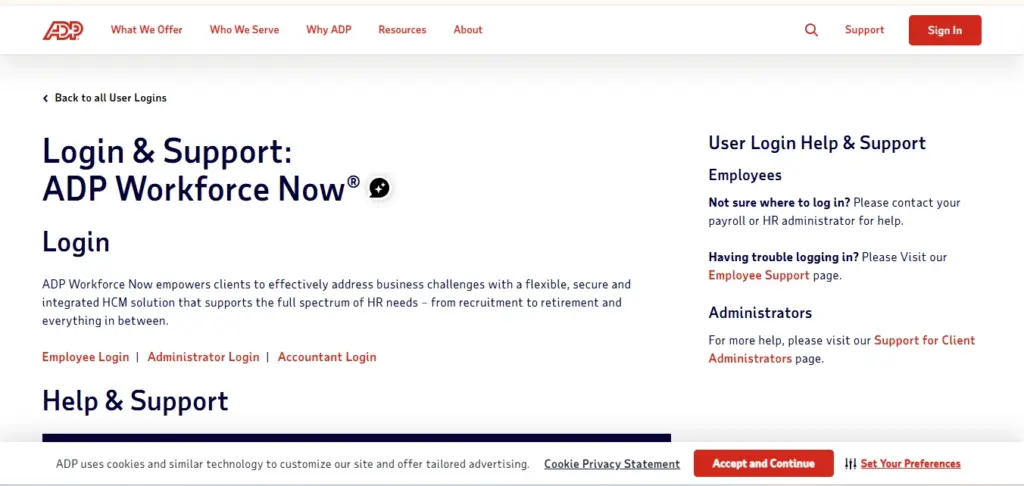
ADP Workforce Now is a trusted employee benefits software USA solution for mid-sized and large companies. It combines payroll, HR, and employee benefits management software capabilities with strong compliance tools, making it a reliable benefits administration software for end-to-end workforce management.
Features
- Payroll and benefits tightly integrated (HR Benefits Software with Payroll Integration)
- Global compliance and tax tracking
- Extensive partner ecosystem for benefits
Pros and Cons
Pros | Cons |
Trusted for mid-size and large firms | Complex interface for beginners |
Excellent compliance tools | Higher cost |
Wide benefits provider support | Setup can take time |
8. Justworks
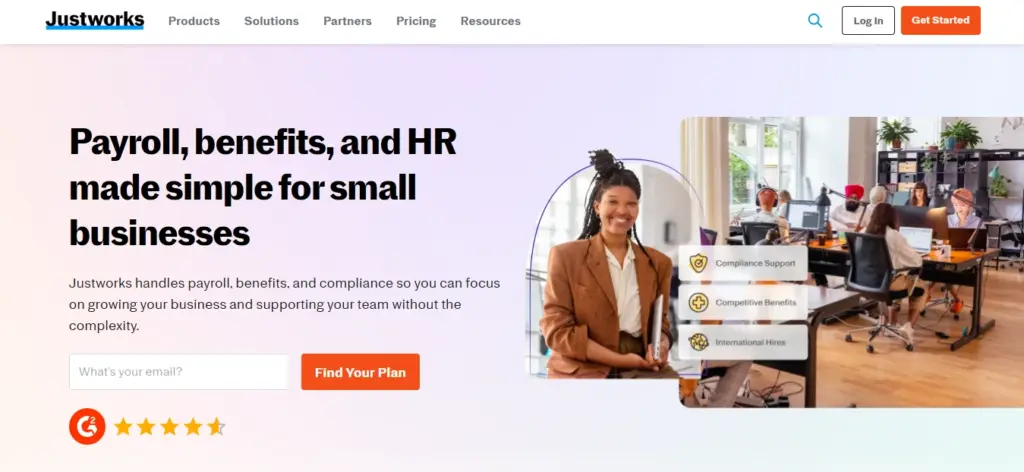
Justworks is an affordable benefits administration software USA solution designed for small and growing businesses. It offers HR, payroll, and employee benefits management software capabilities in one platform, making it a simple and efficient SaaS-based employee benefits management system that streamlines compliance and benefits administration.
Features
- Simple benefits enrollment for health, dental, and vision
- Payroll integration with automated deductions
- Compliance alerts for HR teams
Pros and Cons
Pros | Cons |
Affordable for startups | Limited customization |
Easy to manage for small teams | Fewer integrations than larger platforms |
Cloud-based and mobile-friendly | Not ideal for enterprises |
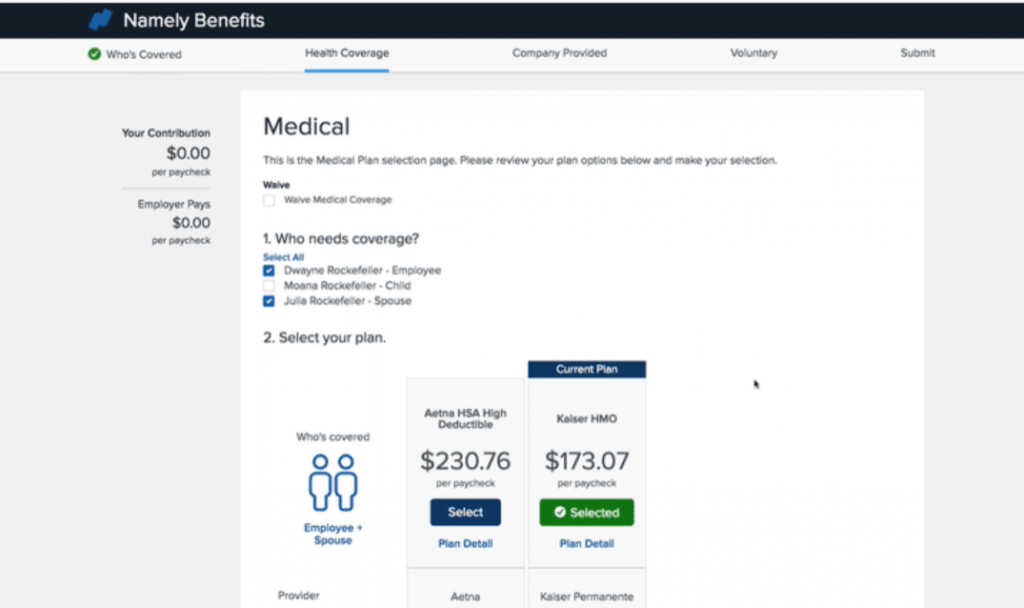
9. Namely
Features
- Personalized employee benefits recommendations (Employee Perks and Benefits Software)
- Compliance tracking and alerts
- Employee self-service dashboards
Pros and Cons
Pros | Cons |
Good mid-market solution | Slightly expensive for small teams |
User-friendly dashboards | Limited global support |
Strong compliance tools | Setup may take time |
10. BambooHR
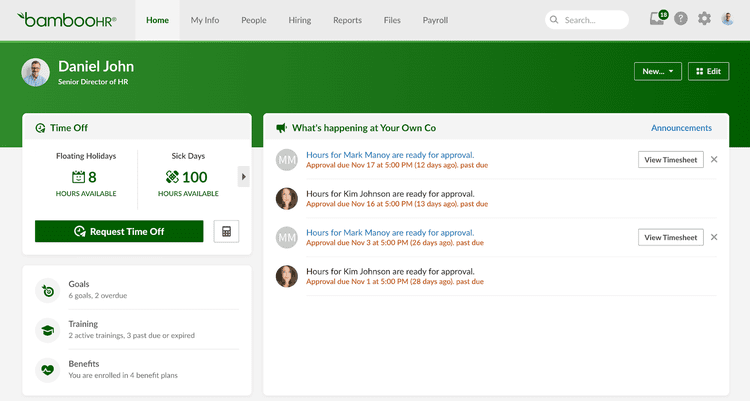
BambooHR is a digital employee benefits management platform designed for small and medium-sized businesses. It focuses on improving employee experience and simplifying HR workflows through an efficient employee benefits management software system, making it one of the top employee benefits software 2026 choices for small businesses.
Features
- Easy benefits enrollment and tracking in Employee Benefits Management Software
- Mobile-friendly for remote teams (Remote Employee Offboarding Tools)
- Integrated HR and payroll modules in Benefits Administration Software
Pros and Cons
Pros | Cons |
Simple and user-friendly | Limited enterprise features |
Great for startups | Advanced analytics not robust |
Strong employee experience | Some integrations are limited |
11. Vantage Circle
Vantage Circle offers employee perks and benefits software focused on engagement, recognition, and employee satisfaction. It provides a modern employee benefits management software solution that helps businesses enhance workforce experience through integrated rewards, perks, and benefits administration tools.
Features
- Perks and rewards tracking
- Customizable benefits dashboards
- Employee engagement analytics
Pros and Cons
Pros | Cons |
Engaging platform | Not a full HRIS solution |
Great for remote teams | Limited payroll integration |
Easy to use | Better for mid-sized firms |
12. Businessolver
Businessolver is a specialized benefits administration software designed for enterprises, offering strong compliance management and advanced employee benefits management software capabilities with a focus on benefits automation and streamlined administration processes.
Features
- End-to-end benefits management (End-to-End Benefits Management Platform)
- Advanced reporting for HR
- Automated eligibility tracking
Pros and Cons
Pros | Cons |
Excellent enterprise solution | Expensive for small businesses |
Strong compliance tools | Learning curve for new users |
Great reporting | Requires IT support for setup |
13. Selerix
Selerix offers a cloud employee benefits management software USA platform designed for mid-to-large companies. It focuses on benefits enrollment, compliance, and automation through an advanced benefits administration software system, helping organizations streamline and simplify employee benefits processes efficiently.
Features
- Automated benefits enrollment (Benefits Enrollment Software USA)
- Integration with payroll and HRIS
- ACA compliance tracking
Pros and Cons
Pros | Cons |
Excellent automation | Not ideal for small businesses |
Cloud-based | Some customization limited |
Good reporting | Learning curve for admins |
14. Deel
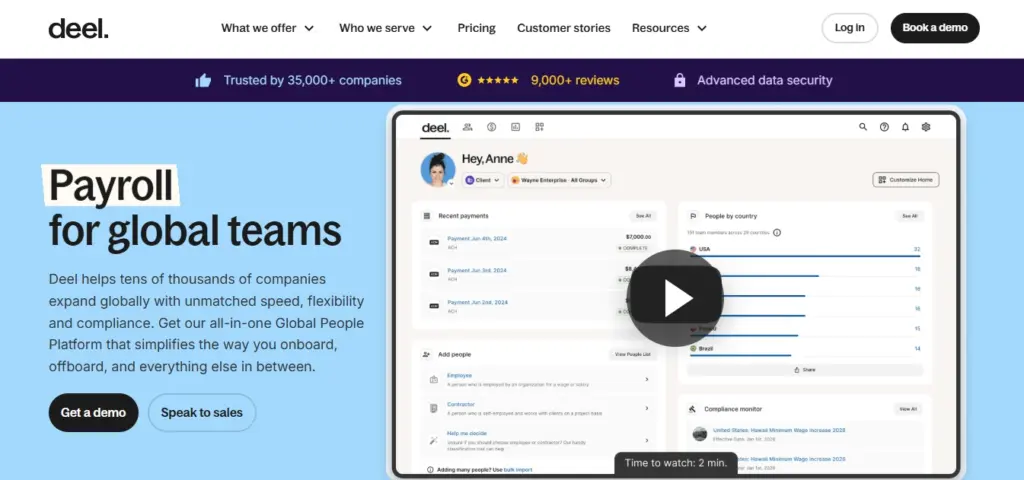
Deel is a cloud based employee benefits platform designed for global and remote teams. It enables companies to manage payroll and benefits for employees and contractors worldwide through an advanced employee benefits management software system, making cross-border benefits administration simple, compliant, and efficient.
Features
- Global benefits administration (AI-Powered Benefits Software USA)
- Automated compliance and payroll integration
- Cloud-based support available in Employee Benefits Management Software for the remote teams
Pros and Cons
Pros | Cons |
Excellent for global companies | Less suitable for local-only firms |
Strong automation | Premium pricing for large teams |
Easy for remote employees | Fewer local benefit options |
15. Ease
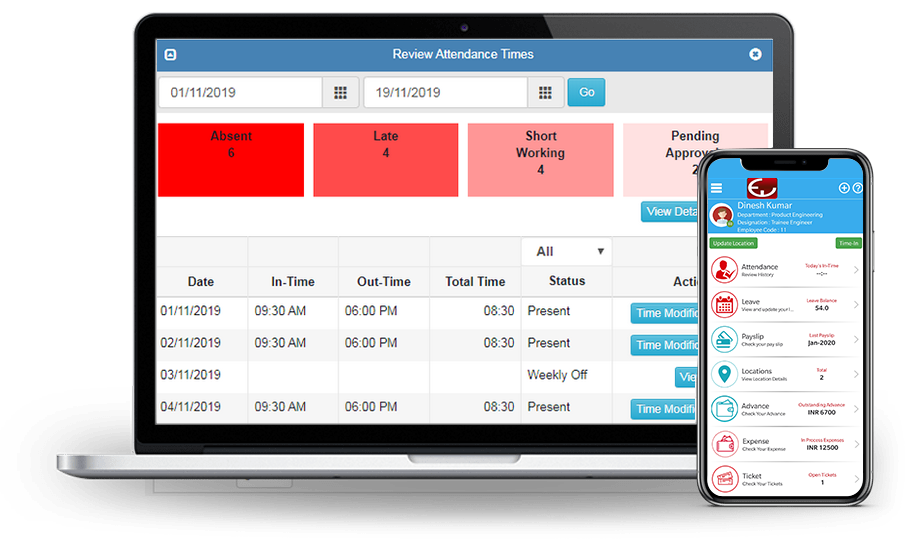
Ease provides HR software with benefits module for small and mid-sized businesses. It simplifies benefits, payroll, and HR compliance through a cloud-based employee benefits management software platform, making benefits administration more efficient, accurate, and easy to manage.
Features
- Employee self-service for benefits
- Integration with payroll and HRIS
- ACA and COBRA compliance available in Employee Benefits Management Software
Pros and Cons
Pros | Cons |
Simple and affordable | Limited advanced features |
Easy setup | Fewer integrations outside the platform |
Great for startups | Basic analytics |
16. Plum HQ
Plum HQ focuses on employee engagement and employee compensation and benefits tools, offering a modern employee benefits management software solution for startups and mid-sized companies. It helps organizations streamline perks, rewards, and benefits management in one unified platform for improved employee experience and retention.
Features
- Employee recognition + benefits tracking
- Analytics for HR and management
- Cloud-based and mobile-friendly
Pros and Cons
Pros | Cons |
Combines perks and benefits | Limited payroll integration |
Great for small to medium teams | Not enterprise-focused |
Easy to use and modern | Fewer compliance tools |
Simple Guide: How to Choose the Top Employee Benefits Software
Choosing the right employee benefits software is a crucial decision for any organization. The right employee benefits management software helps HR teams streamline benefits administration, simplify enrollment, improve employee experience, automate compliance, and save valuable time.
A poor choice of benefits administration software can lead to confusion, increased errors, wasted costs, and inefficient workforce management.
Here’s a simple, step-by-step guide to help you select the top employee benefits software for your business needs.
Step 1: Understand your needs and form a team
- Decide why you need employee benefits software (health, dental, retirement, perks, automated payroll deductions, reporting, compliance, etc.).
Form a cross-functional team including HR, payroll, finance, and IT to evaluate employee benefits management software requirements.
Define clear goals for better benefits administration software adoption. - Output: Clear objectives and assigned responsibilities.
Step 2: Review your current benefits process
- Map how benefits are currently managed enrollment, claims, approvals, payroll integration, and reporting.
Identify gaps such as manual errors, lack of automation, or inefficient employee benefits management tools.
Measure HR effort spent on benefits administration software tasks. - Output: Pain points and improvement areas.
Step 3: Make a must-have vs nice-to-have list
Must-haves:
- Automated enrollment using benefits enrollment software USA
- Payroll integration via payroll and benefits software
- Compliance tracking with HR compliance benefits software
- Employee self-service portal
- Reporting via employee benefits analytics software
Nice-to-haves:
- AI-powered recommendations (AI-powered benefits software USA)
- Employee perks tracking (employee perks and benefits software)
- Mobile access for remote teams
- HRIS/HRMS integration
- Dashboards via digital benefits management platform
Output: Prioritized feature checklist.
Step 4: Set your budget
Calculate total cost including subscription, implementation, training, integrations, and support for employee benefits management software.
Estimate a 3-year total cost of ownership for better financial planning.Output: Budget plan.
Step 5: Shortlist vendors
- Start with 8–10 top employee benefits software providers and narrow down to 3–6 based on fit and budget.
Check experience in your industry and company size using benefits administration software solutions.
Collect case studies and client feedback. - Output: Final shortlist.
Step 6: Prepare demo questions
Ask vendors to demonstrate real workflows instead of generic features:
- Enroll employees in multiple plans using employee benefits software
- Track payroll deductions via payroll and benefits software
- Generate real-time reports using employee benefits management tools
- Handle employee requests through self-service portals
- Ensure compliance with local regulations
- Output: Demo evaluation script.
Step 7: Prepare demo questions
- Use a 1–5 scorecard for automation, usability, reporting, mobile access, integration, and support.
Evaluate all benefits administration software options on the same criteria. - Output: Ranked comparison.
Step 8: Check references and test with real data
Speak to existing clients about their experience with the employee benefits management software.
Run a pilot test to evaluate enrollment, payroll integration, and reporting accuracy.Output: Real-world validation results.
Step 9: Negotiate the deal
- Review pricing for at least 3 years including renewal terms for employee benefits software.
Ensure secure, exportable data and strong SLAs for benefits administration software.
Confirm onboarding and training support. - Output: Final contract.
Step 10: Plan rollout and training
- Create a structured rollout plan: setup → testing → training → go-live.
Train HR, payroll teams, and employees on employee self-service benefits portal usage.
Roll out in phases for smooth adoption of employee benefits management software Output: Successful implementation plan. - Output: smooth rollout without confusion.
How to measure success after launch?
- Time spent on benefits administration (should reduce).
- Employee satisfaction with benefits (should improve).
- Errors in payroll deductions or claims (should drop).
- Participation in perks and programs (should increase).
- Speed and accuracy of reports (should improve).
Tips & Pitfalls
- Always check references.
- Keep workflows simple.
- Train HR and employees properly.
- Don’t choose based only on software appearance.
- Watch for hidden costs like integrations or extra modules.
Final check before signing
- Must-haves all covered?
- Budget fits for 3 years?
- Pilot results are good?
- References are positive?
- Contract is clear and data is secure?
If yes → Go ahead and sign.
Conclusion
Managing employee benefits manually can quickly become overwhelming with spreadsheets, repetitive tasks, payroll errors, and constant compliance concerns. This is why investing in the right employee benefits software is no longer optional for modern businesses. A reliable employee benefits management software solution helps organizations streamline enrollment, automate payroll deductions, improve compliance, and deliver a better employee experience through efficient benefits administration software.
By carefully evaluating your business needs, comparing features, testing real-world workflows, and selecting the right platform, companies can simplify complex HR operations and improve overall workforce efficiency. Modern solutions such as cloud based benefits software, payroll and benefits software, and employee self service benefits portal tools not only reduce administrative burden but also help businesses attract and retain top talent.
Whether you are a growing startup or an established enterprise, choosing the right top employee benefits software can create a more organized, scalable, and employee-friendly workplace. Platforms like Zimyo are helping businesses modernize HR operations with integrated and automated benefits management solutions designed for today’s evolving workforce.
FAQs (Frequently Asked Questions)
Employee benefits are non-wage compensations provided to employees, such as health insurance, retirement plans, and paid leave. They enhance job satisfaction and loyalty by addressing employees’ financial, health, and well-being needs.
Employee benefits software streamlines the management and administration of employee benefits, improving efficiency and accuracy. It also enhances employee satisfaction by providing easy access to self-service options.
To choose the best employee benefits software, businesses should evaluate factors such as payroll integration, automation features, compliance support, reporting tools, scalability, ease of use, and pricing. It’s also important to select a benefits administration software that matches your company size and HR requirements.
Yes, most modern payroll and benefits software platforms offer payroll integration. This allows automatic calculation of deductions, tax adjustments, and benefits contributions, reducing manual errors and improving overall HR efficiency.