

ESS Full Form
ESS stands for Employee Self Service.
What is ESS Meaning in HR?
ESS meaning is simple. Employee Self Service is a digital platform that allows employees to perform HR related tasks on their own. Instead of sending emails. Instead of filling forms. Instead of waiting for HR responses. Employees directly log into the ESS portal and complete the tasks.
ESS portal is usually part of an HRMS or HRIS. It stores personal details, job-related data, payroll information, tax documents, and attendance records. And it gives employees instant access to everything in one place.
In simple words, Employee Self Service meaning is “empowerment”. It is independence. It is self-service at its best.
ESS Definition
ESS Definition in Simple Words:
A clean, formal, widely accepted definition of ESS Employee Self Service is:
Employee Self Service ESS is a digital portal or software feature that allows employees to independently access, manage, and update their personal, HR-related, and employment information without relying on HR or administration teams.
ESS Definition in Formal/Official Terms:
In formal HR/enterprise terms, it is defined as:
“A self-service interface within an HRMS/HRIS that enables employees to perform routine HR tasks such as viewing pay slips, applying for leave, updating personal details, accessing policies, and checking attendance, thereby increasing transparency and reducing manual HR intervention.”
Importance of ESS Portal
ESS is no longer optional. It is essential. Modern workplaces are distributed. Employees work from offices, homes, coworking spaces, client locations, and remote sites. HR teams cannot manually manage everything. Employees need quick information. Employees need easy updates and faster processes.
Hence the importance of ESS arises. Employee Self Service portal solves all these challenges with one secure system. Employees can log in anytime. Employees can manage everything anytime. Employees can get everything in a few clicks.
Because of this, Employee Self Service improves:
- Speed
- Productivity
- Accuracy
- Transparency
- Employee satisfaction
And studies show the same:
- 85% of employees experience higher satisfaction with HR services when ESS tools are available.
- ESS systems maintain up to 99% accuracy in employee data.
- Mobile based Employee Self Service portals improve employee engagement by 35% globally.
How Employee Self Service Portal Works?
The way ESS portal works is very simple. An employee logs into the Employee Self Service portal. They enter their user ID and password. Once they enter the portal, they see everything related to their work.
The ESS portal centralizes:
- Personal information
- Payroll details
- Leave balance
- Attendance logs
- Benefits
- Tax declarations
- Reimbursements
- Company policies
- HR letters
- Help desk queries
Everything stays in one place, structured, and is easy to understand.
Employee Self Service portal uses web applications, automation, workflows, and searchable databases so employees get instant results. No delays. No long queues. No paperwork.
Top ESS Features Employees Love
Employee Self Service features are what make ESS so powerful. Below is a closer look at the most in-demand ESS Portal features in modern HR systems.
1. Leave and Attendance Management
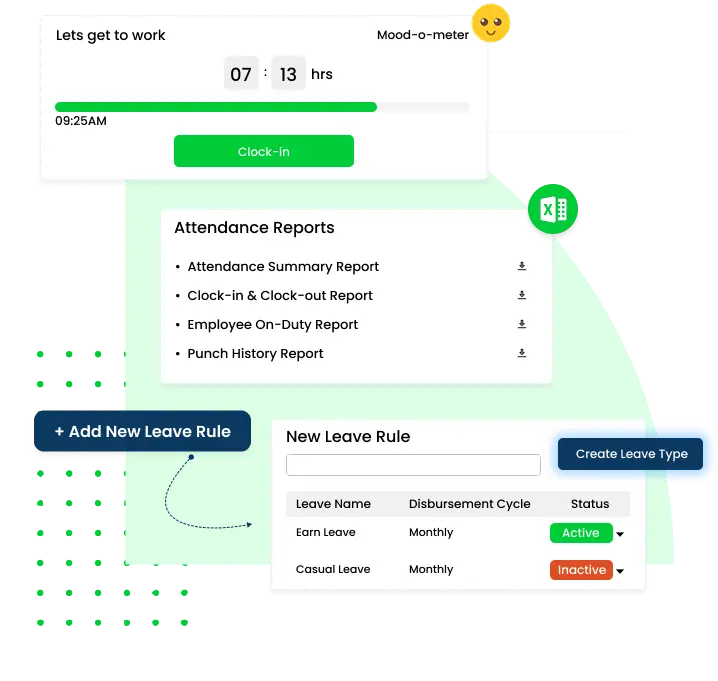
- Apply for leave from mobile or desktop
- Check leave balance instantly
- Track attendance in real time
- Use geo restricted clock-in and clock-out
- Submit attendance regularization requests
2. Payroll and Salary Access
- Download payslips in seconds
- Check salary breakups and tax deductions
- View pay summaries and loan deductions
- Download Form 16 and tax worksheets
Learn about How Does ESS Help in Managing Payroll Issues?
3. Expense and Reimbursement Management
- Submit expenses online
- Upload bills and receipts
- Track approval status
- Receive faster reimbursements
4. Document Management
- Download HR letters
- Access company policies
- View offer letters, confirmation letters, and contracts
- Secure, password protected documents
5. Employee Profile Management
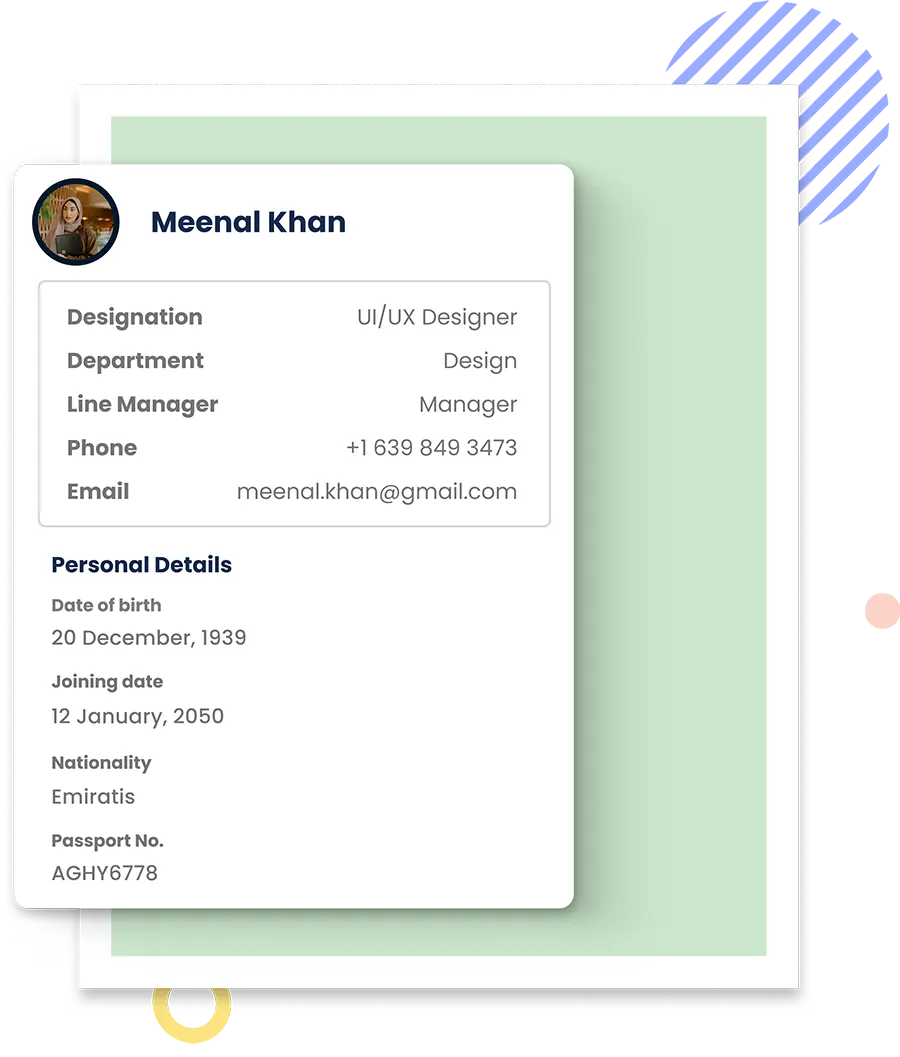
- Update personal details
- Add emergency contacts
- Update bank details
- Modify dependent information
6. Investment Declaration and Tax Filing Support
- Submit investment proofs easily
- Get reminders before deadlines
- Download tax computation sheets
7. Self Service Help Desk
- Raise queries
- Track status
- Receive quick responses
- Maintain transparent records
8. Company Announcements and Collaboration
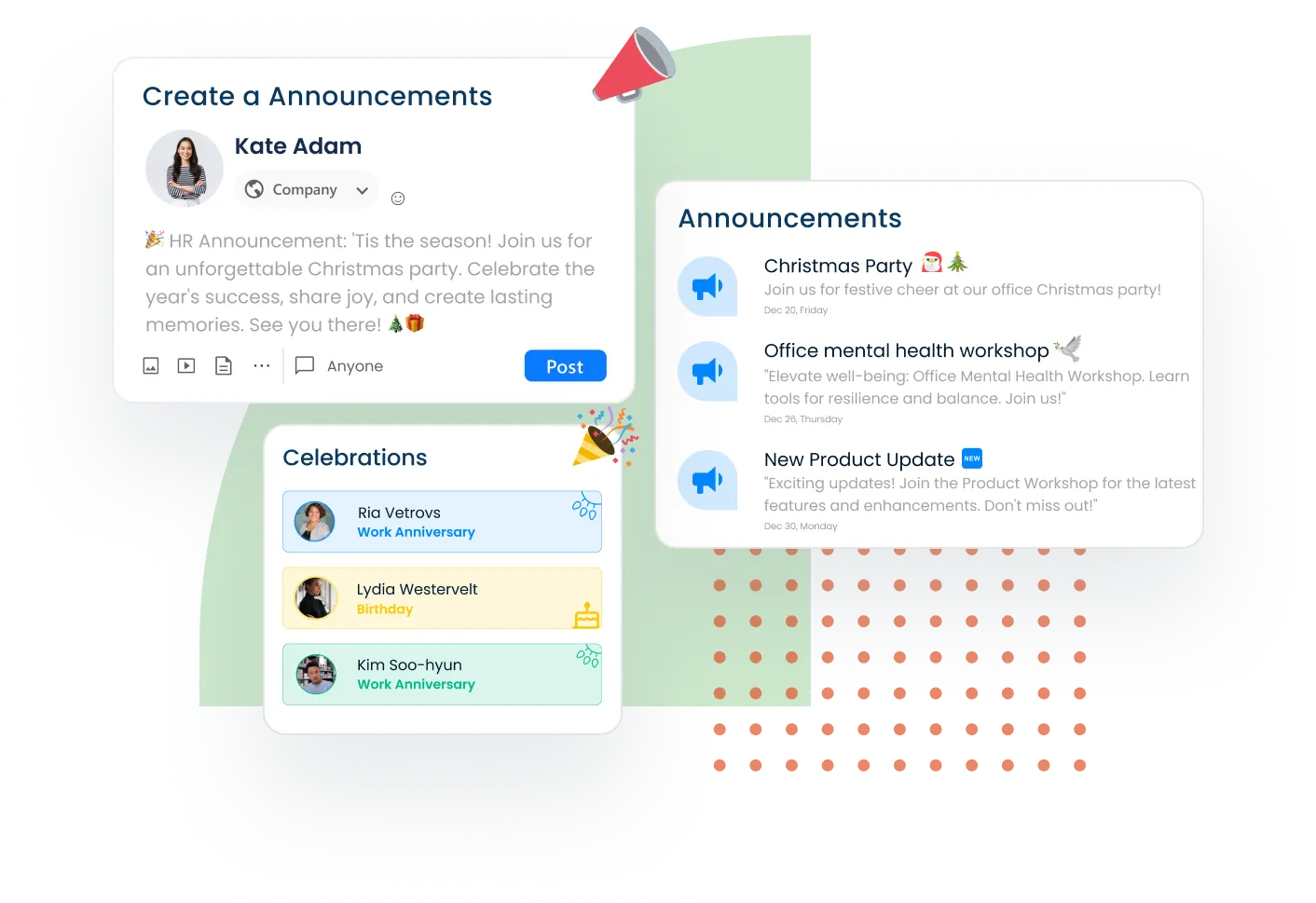
- Access feeds for company updates
- Receive alerts and reminders
- View birthdays, anniversaries, and team events
- Connect with colleagues
ESS features make the system complete and powerful. And, it also makes employee life simple.
Benefits of Employee Self Service
Employee Self Service benefits are massive. It does not just help employees. It helps HR teams, managers, leadership and the entire organization.
Here are the top benefits of Employee Self Service.
1. Reduced Workload for HR Teams
Employee Self Service eliminates manual work. No more repetitive tasks. No more data entry. HR teams save hours every week.
2. Higher Productivity and Faster Processes
Every task is completed instantly. Approvals are faster. Status updates are live. Nothing gets delayed.
3. Improved Transparency and Trust
Employees view everything clearly. Policies. Balances. Records. Approvals. Employee Self Service brings fairness and transparency.
4. Improved Compliance and Accuracy
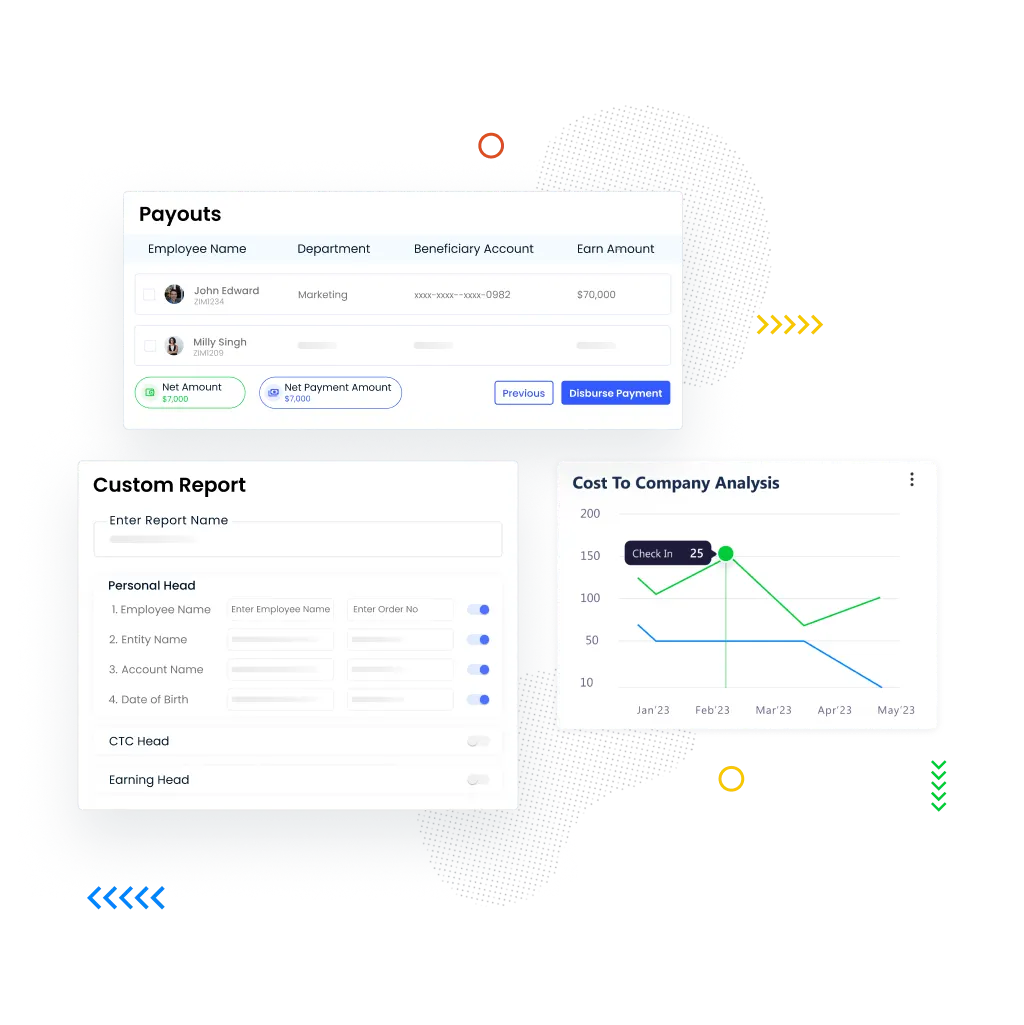
Employee Self Service avoids errors caused by manual entry. Automated workflows ensure compliance with labor laws and tax rules.
5. Enhanced Remote Working Experience
Employees can access the ESS portal anytime. From any device. From anywhere in the world.
6. Better Employee Engagement
Employees feel valued. Employees feel connected. Employees feel in control of their information.
7. Lower Operational Costs
Less paperwork. Less printing. Less storage. Employee Self Service reduces costs significantly.
ESS Portal vs Traditional HR Processes
Here is the difference between ESS Portal and Traditional HR Processes:
Feature | Traditional HR | ESS Portal |
Leave Requests | Manual forms | Online approval |
Attendance Tracking | Physical registers | Real time tracking |
Pay slip Access | HR dependency | Self download |
Expense Claims | Manual and slow | Automated and fast |
Accuracy | High errors | 99% accurate |
Transparency | Low | Very high |
Employee Satisfaction | Moderate | Very high |
Key Features to Look for in an ESS Portal
Not all ESS portals are equal. Some are more powerful. Some are easier to use. Some are perfect for growing companies.
When choosing an Employee Self Service portal, look for:
- Simple user interface
- Mobile access
- Fast loading speed
- Smooth integration with HRMS
- Strong data security
- Automated workflows
- Comprehensive payroll and tax handling
- Leave and attendance accuracy
- Document access and digital storage
- Expense and reimbursement automation
- Strong customer support
These features ensure your ESS portal delivers maximum value.
Challenges with ESS Portal and how Companies Overcome them
Employee Self Service Portal is powerful. But implementation needs planning. The challenges usually faced are:
- Simple user interface
- Mobile access
- Fast loading speed
- Smooth integration with HRMS
- Strong data security
- Automated workflows
- Comprehensive payroll and tax handling
- Leave and attendance accuracy
- Document access and digital storage
- Expense and reimbursement automation
- Strong customer support
Companies overcome these challenges by:
- Employee training
- Choosing user friendly ESS portals
- Strong IT support
- Selecting a reliable HRMS vendor
- Using automation for accuracy
- Continuous communication and reminders
Future of Employee Self Service in HR
Employee Self Service will continue to evolve. More automation, AI, personalization and more mobile integration. HR will become more digital. Employees will become more independent. And Employee Self Service will become the central layer of every HR strategy.
Future ESS trends include:
- AI powered help desk
- Predictive analytics
- Automated tax filing
- Smart workflows
- Biometric attendance
- Employee wellness tools
- Advanced mobile capabilities
Employee Self Service is no longer a tool. It is the future of HR.
Difference between Employee Self-service and Manager Self-service: All that you need to know
Zimyo: The Best Employee Self Service Portal
Zimyo is one of the best tools for companies that want a simple and easy to use Employee Self Service system. The ESS portal from Zimyo helps employees do basic HR tasks on their own. They can check attendance, download payslips, apply for leave, update personal details, raise requests, and view important company documents in one place. The platform gives employees quick access to everything they need without depending on HR again and again.
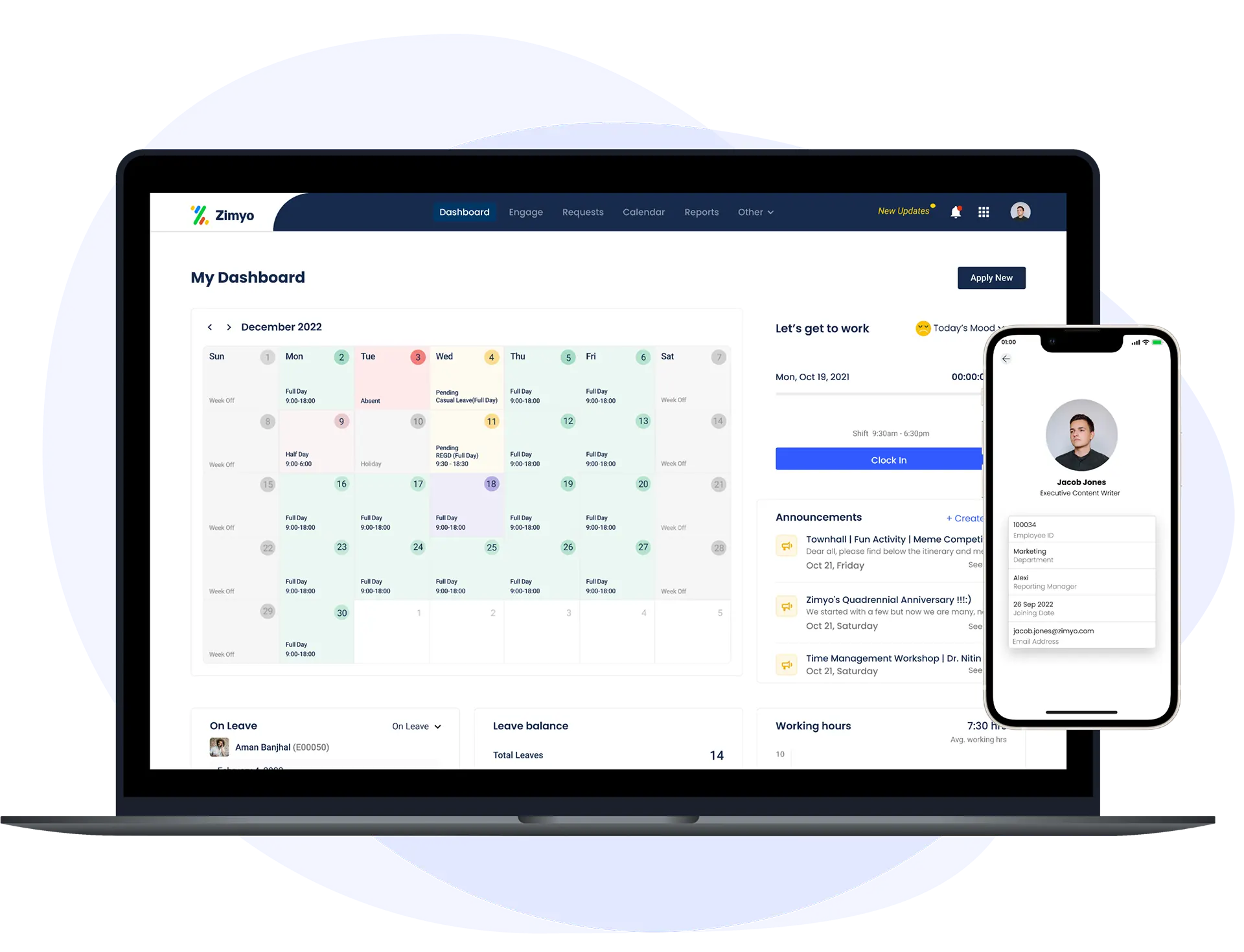
Zimyo’s Employee Self Service ESS features reduce manual work for HR teams and cut down on repeated questions from staff. The system is fast, secure, and works smoothly on both web and mobile. With clear menus, simple steps, and real time information, the ESS Employee Self Service experience becomes easy for everyone.
More than 2500 businesses trust Zimyo because it offers high uptime, safe data storage, and smooth integration with payroll, attendance, and performance tools. This makes the employee self service portal reliable and helpful for all types of organizations.
If you want an ESS portal that is truly practical, Zimyo shows it in action by giving control to employees and saving time for HR teams. This is why Zimyo is known as the best ESS portal for modern workplaces. Schedule a Live Demo Now.
Frequently Asked Questions (FAQs)
What do you mean by ESS?
ESS means Employee Self Service, a digital portal that lets employees access and manage their HR information on their own.
What does ESS stand for?
ESS stands for Employee Serf Service.
Why do companies use an ESS portal?
Companies use an ESS portal to save time, reduce HR workload, improve accuracy, and give employees quick access to important information like payslips, attendance, and leave details.
Is an ESS portal easy for employees to use?
Yes. ESS portals are designed to be simple, clear, and user friendly, even for employees who are not very tech savvy.
What can employees do in an ESS portal?
Employees can:
- Check attendance
- Apply for leave
- Download payslips
- Update personal details
- Access company documents
- Raise requests or tickets
Will ESS reduce the need for HR teams?
No. ESS does not replace HR. It reduces repetitive work so HR teams can focus on more important tasks like hiring, engagement, and compliance.
Is an ESS portal safe and secure?
Yes. Modern ESS systems use data encryption, access control, and secure servers to keep employee information safe.
Can employees access ESS on mobile?
Most good ESS portals, including Zimyo, offer full mobile app access, so employees can use it from anywhere.
What is the difference between ESS and HRMS?
- ESS is a part of HRMS made for employees.
- HRMS is a full HR system used by HR teams, managers, and admins.
Can employees update their KYC or bank details through ESS?
Yes, employees can update details, and HR/admin can approve changes through the workflow.
Does ESS help in faster payroll?
Yes. When data like attendance, leave, and personal details are updated correctly through ESS, payroll runs faster and with fewer errors.