
When people talk about the objectives of human resource management, they’re usually referring to the real reasons companies put effort into managing employees properly. It’s not just theory it’s things like making sure work doesn’t fall apart because of poor coordination, helping employees feel a bit more settled in their roles, and keeping day-to-day work from becoming chaotic. In simple words, HRM objectives are about making work life smoother for both the company and the people working in it.
You’ll also hear terms like HRM objectives or goals of human resource management, which sound a bit formal, but they mostly point to the same idea: trying to build a workplace where people can actually do their jobs without unnecessary stress, confusion, or constant turnover. Different companies handle this in their own way, but the basic thinking doesn’t really change.
In this blog, we’ll go through what are the objectives of human resource management in a simple, real-world way. We’ll also look at the functions and objectives of HRM, why human resource management matters in the first place, and a few easy examples so it feels less like textbook theory and more like something you actually see happening in workplaces.
Why Human Resource Management Matters in Every Organization
Human Resource Management isn’t really something that works in the background anymore it ends up influencing almost everything inside a company, whether people notice it or not. From the moment someone is hired to how they settle into their role, HR decisions quietly shape the overall working experience.
The simple reason human resource management matters is because no business runs without people doing the actual work. If employees are unsure about their roles, not getting proper support, or constantly switching tasks without clarity, things start to fall apart pretty quickly. That’s where HRM objectives come in they help bring some order into how people are managed, so work doesn’t feel scattered or disconnected.
Another thing you see in real workplaces is how much employee mood and stability affects performance. When companies actually focus on the objectives of human resource management, like helping people learn their jobs better, improving communication, and keeping expectations realistic, employees usually feel less stressed and more steady in their work. And when that happens, work naturally becomes more consistent too.
HR also sits in that middle space between what the company wants and what employees actually need. That’s why terms like HR management goals and functions and objectives of HRM aren’t just textbook lines they show up in everyday decisions like shift planning, training, hiring, and even resolving small workplace issues.
In the end, human resource management matters in every organization because it keeps people and work aligned in a practical way. Without it, even a well-planned business can slowly start feeling disorganized, mostly because the people side of things isn’t being handled properly.
Objectives of Human Resource Management
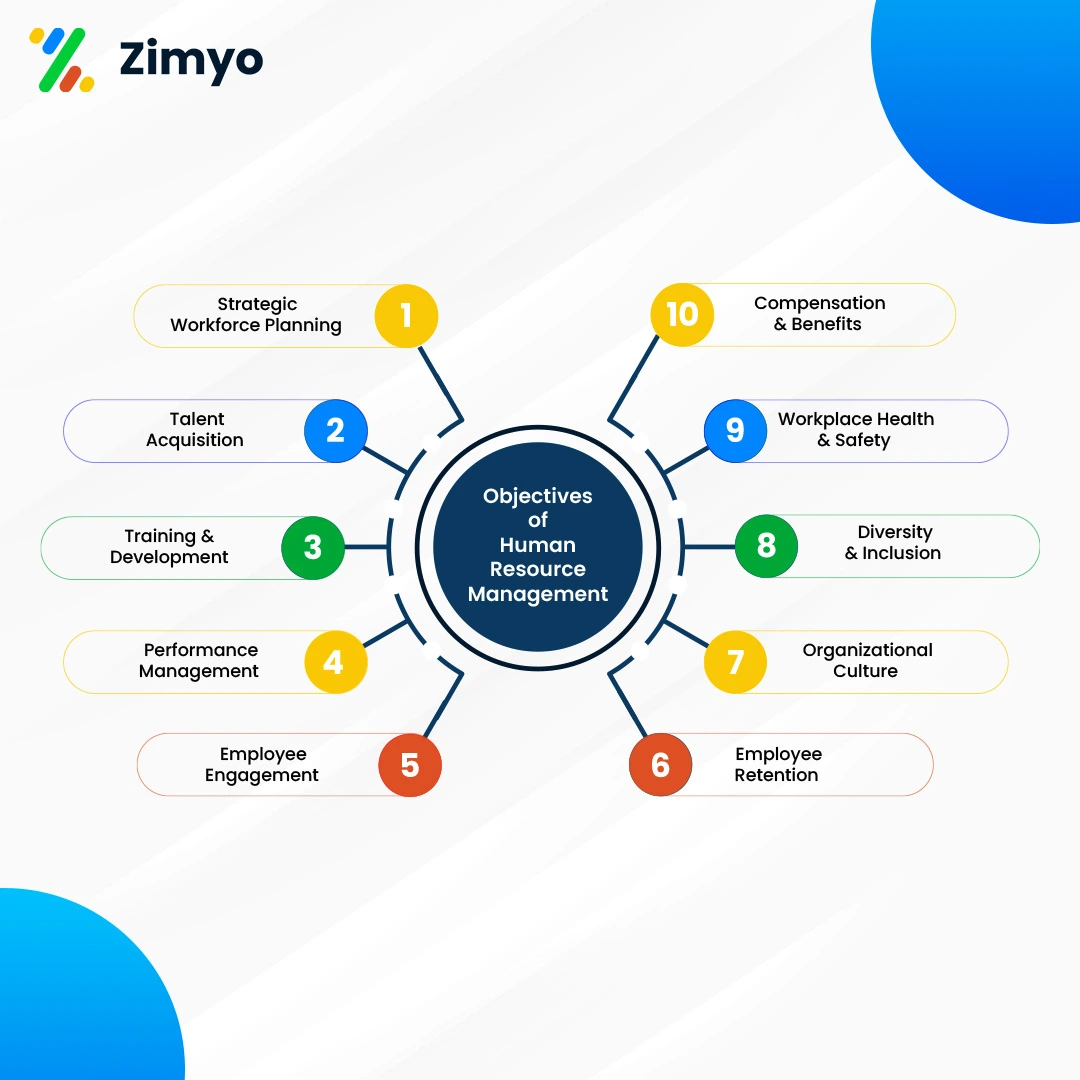
Here are 10 key objectives of Human Resource Management that every organization focuses on to manage its workforce effectively and achieve business goals.
- Strategic Workforce Planning
- Talent Acquisition
- Training and Development
- Performance Management
- Employee Engagement
- Compensation and Benefits
- Workplace Health and Safety
- Diversity and Inclusion
- Organizational Culture
- Employee Retention
Now, let’s understand each objective of human resource management in detail.
1. Strategic Workforce Planning

One of the most basic objectives of human resource management is simply knowing how many people a business will need in the future. It sounds obvious, but in real workplaces this is often the part that gets ignored until there’s already pressure on the team.
In most companies, this is included in their HRM objectives, where HR tries to plan a bit ahead instead of reacting at the last moment. They usually look at things like people leaving, new projects coming in, seasonal rush, or even skills that might be needed later. This also connects with overall human resource management objectives, because it affects hiring, training, and day-to-day operations.
When this part is not done properly, hiring often happens in a rush. And rushed hiring usually means either the wrong fit or extra workload on existing staff. That’s why it is considered an important part of HR management goals and directly links with the functions and objectives of HRM.
Simple breakdown:
- Planning how many employees may be needed ahead of time
- Preparing for resignations, promotions, or new roles
- Identifying skill gaps before they become a problem
- Avoiding last-minute hiring pressure
- Keeping recruitment and workload more balanced
Real-life example: Think of a hotel in Gurgaon getting a sudden wedding booking for a full week. If they haven’t planned staff requirements, they may end up short on housekeeping or banquet staff and start hiring urgently. But if workforce planning is done earlier, the hotel already knows the demand and has staff ready or trained in advance. That small step makes the whole operation much smoother without last-minute chaos.
2. Talent Acquisition
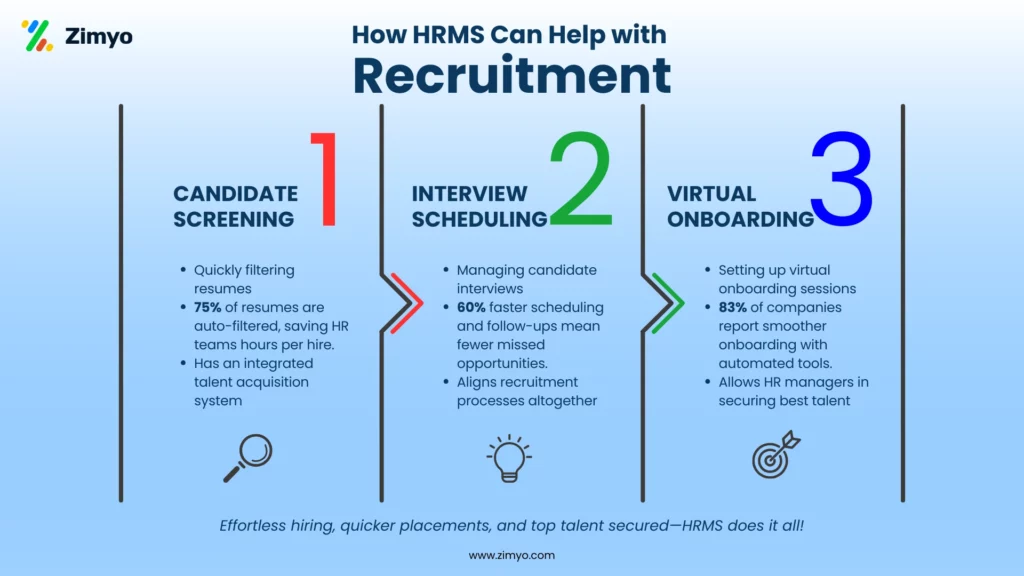
One of the most important objectives of human resource management is to bring the right people into the organization. But in real life, recruitment is not just about filling an empty position. It’s more about finding someone who can actually fit into the team and stay useful in the long run.
Most companies include this in their HRM objectives, where the focus is not only on hiring quickly but hiring wisely. The idea is to attract people whose skills match the job and who can also adjust to the company culture. This is a key part of overall human resource management objectives, because the quality of hiring directly affects performance later on.
In many cases, companies struggle with this process. Reports show that a large number of hiring managers find it difficult to get suitable candidates, which is why structured hiring has become more important. That’s where HR management goals come in helping HR teams improve job descriptions, interviews, and candidate selection.
Simple breakdown:
- Finding people with the right skills and attitude
- Matching candidates with company culture
- Improving job descriptions and hiring process
- Using interviews and skill checks instead of guesswork
- Building a stronger talent pipeline over time
This is why talent acquisition is such an important part of the functions and objectives of HRM because the right hire can make daily operations smoother, while the wrong one can create problems for the whole team.
3. Training and Development
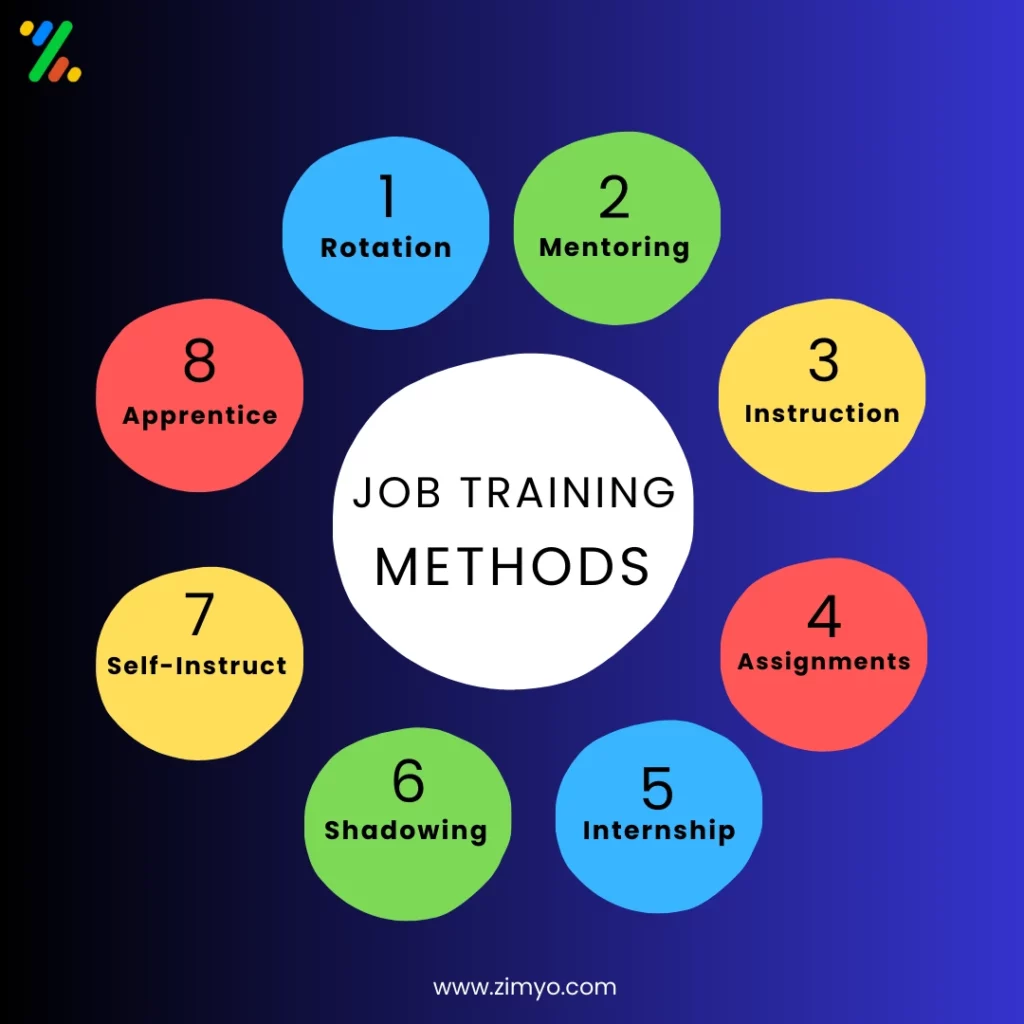
One of the important objectives of human resource management is making sure employees keep learning and improving over time. Training and development is not just about teaching someone how to do a job it’s more about helping them become better at what they already do and preparing them for future responsibilities.
This is a key part of HRM objectives, because no organization can grow if its employees are stuck with outdated skills. When companies focus on human resource management objectives like continuous learning, it directly improves performance and efficiency across teams. In fact, research shows that businesses investing in employee development often see higher productivity and better financial results, which makes it a strong part of HR management goals.
Training also connects closely with the functions and objectives of HRM, as it supports both current job performance and long-term career growth. Many organizations now use workshops, internal training sessions, and online learning platforms to build a habit of continuous improvement.
Simple breakdown:
- Improving employee skills for current roles
- Preparing employees for future responsibilities
- Supporting continuous learning culture
- Using training sessions, mentoring, and e-learning tools
- Improving productivity and work quality over time
This is why training and development is considered a core part of objectives of HRM, because it helps both employees and the organization grow together in a more stable and sustainable way.
4. Performance Management
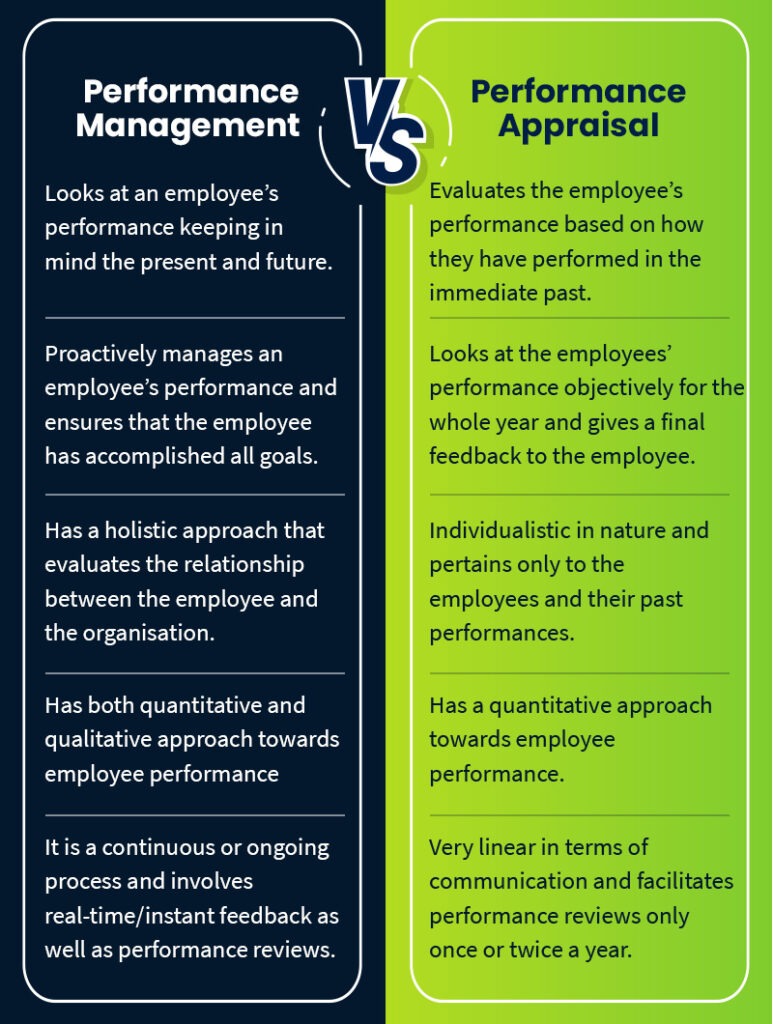
Another important objectives of human resource management is performance management. This is basically how companies keep track of employee work, set expectations, and make sure everyone is moving in the right direction. It includes setting goals, giving feedback, checking results, and recognizing good performance when it happens.
This area is a key part of HRM objectives, because without clear performance tracking, it becomes difficult to understand who is contributing and where improvement is needed. When companies follow proper human resource management objectives, it becomes easier to keep employees motivated and focused on results. Studies have also shown that organizations with strong performance systems are more likely to achieve their business goals, which makes it an important part of HR management goals.
Performance management also connects closely with the functions and objectives of HRM, as it includes appraisals, promotions, and identifying performance gaps early instead of waiting for bigger issues later.
Simple breakdown:
- Setting clear goals for employees
- Tracking performance regularly
- Giving feedback and recognition
- Managing appraisals and promotions
- Identifying underperformance early
This is why performance management is a core part of objectives of HRM, because it helps align employee efforts with company goals and keeps both individual and organizational growth on the same track.
5. Employee Engagement

One of the most important objectives of human resource management is keeping employees motivated and genuinely involved in their work. When people feel connected to what they do, they usually perform better, stay longer, and contribute more ideas without being pushed.
This is a key part of HRM objectives, because even if a company has strong systems and good planning, it won’t work well if employees are not interested or engaged. When organizations focus on human resource management objectives, like motivation and employee satisfaction, it naturally leads to better productivity and a more stable workforce. Studies have also shown that highly engaged employees contribute significantly to higher business performance, which makes this an important part of HR management goals.
In simple terms, HR tries to create a workplace where employees don’t feel ignored or disconnected. Things like appreciation, open communication, team activities, and regular feedback all support this goal. It also connects with the functions and objectives of HRM, because engagement directly affects retention and overall workplace culture.
Simple breakdown:
- Keeping employees motivated at work
- Improving job satisfaction and involvement
- Encouraging open communication
- Recognizing employee efforts
- Building a positive workplace culture
This is why employee engagement is a key part of objectives of HRM, because when people feel valued, they naturally give better results and help the organization grow in a more stable way.
6. Compensation and Benefits
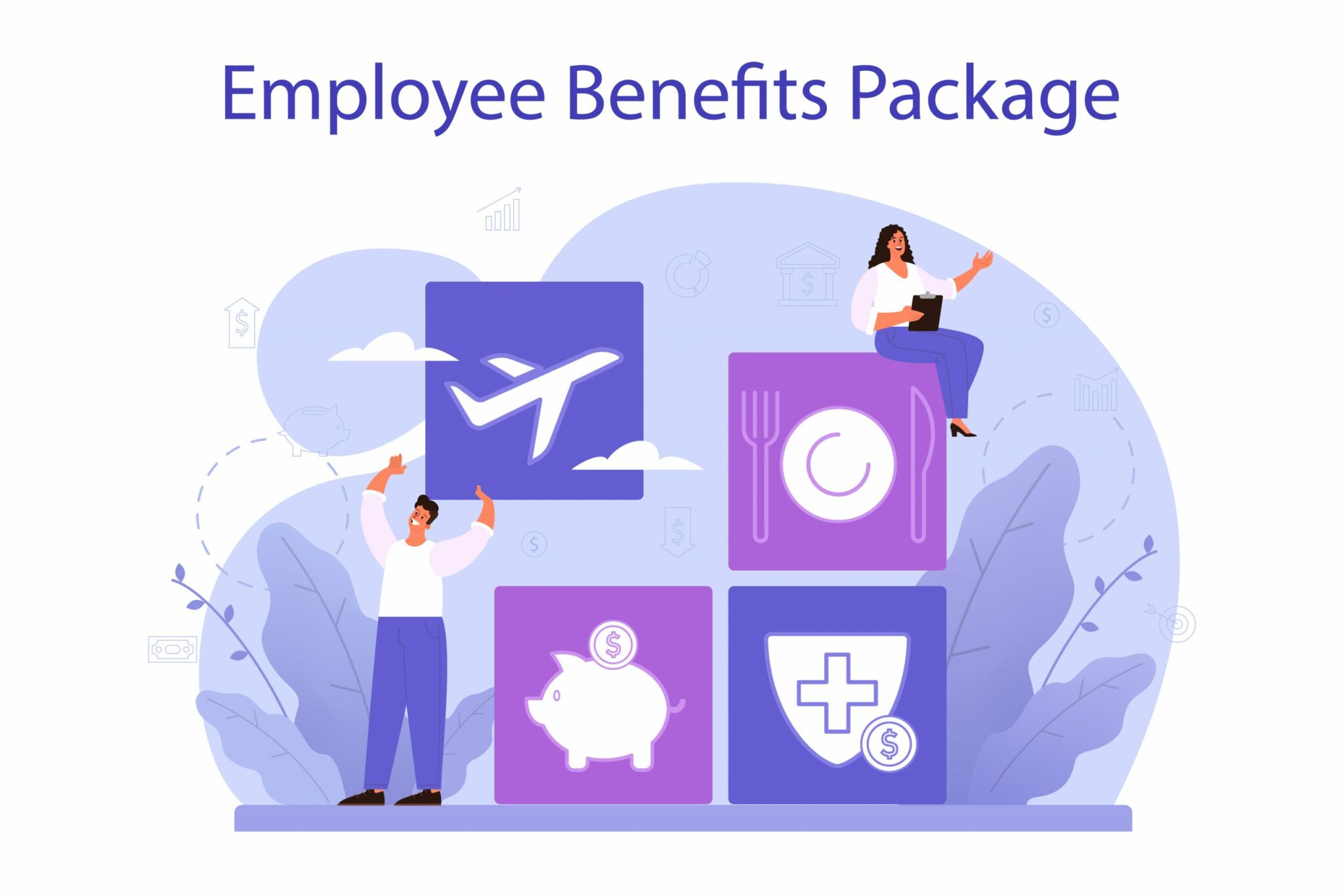
One of the key objectives of human resource management is making sure employees are paid fairly and offered proper benefits. It’s not just about following rules or policies it also plays a big role in how satisfied and committed employees feel at work.
This is an important part of HRM objectives, because salary and benefits directly affect how people view their job and the organization. When companies focus on human resource management objectives like fair pay and rewards, employees are more likely to stay longer and perform better. Studies also show that employees who feel fairly compensated are generally more satisfied in their roles, which makes this a strong part of HR management goals.
Compensation also connects with the functions and objectives of HRM, as it includes salary structure, bonuses, incentives, and additional benefits like healthcare or retirement plans. These things don’t just support employees financially they also improve trust and loyalty toward the organization.
Simple breakdown:
- Providing fair and competitive salaries
- Offering bonuses and performance-based rewards
- Giving benefits like insurance and retirement plans
- Supporting employee financial well-being
- Improving retention and job satisfaction
This is why compensation and benefits remain a core part of objectives of HRM, because when employees feel fairly rewarded, they naturally stay more engaged and committed to their work.
7. Workplace Health and Safety
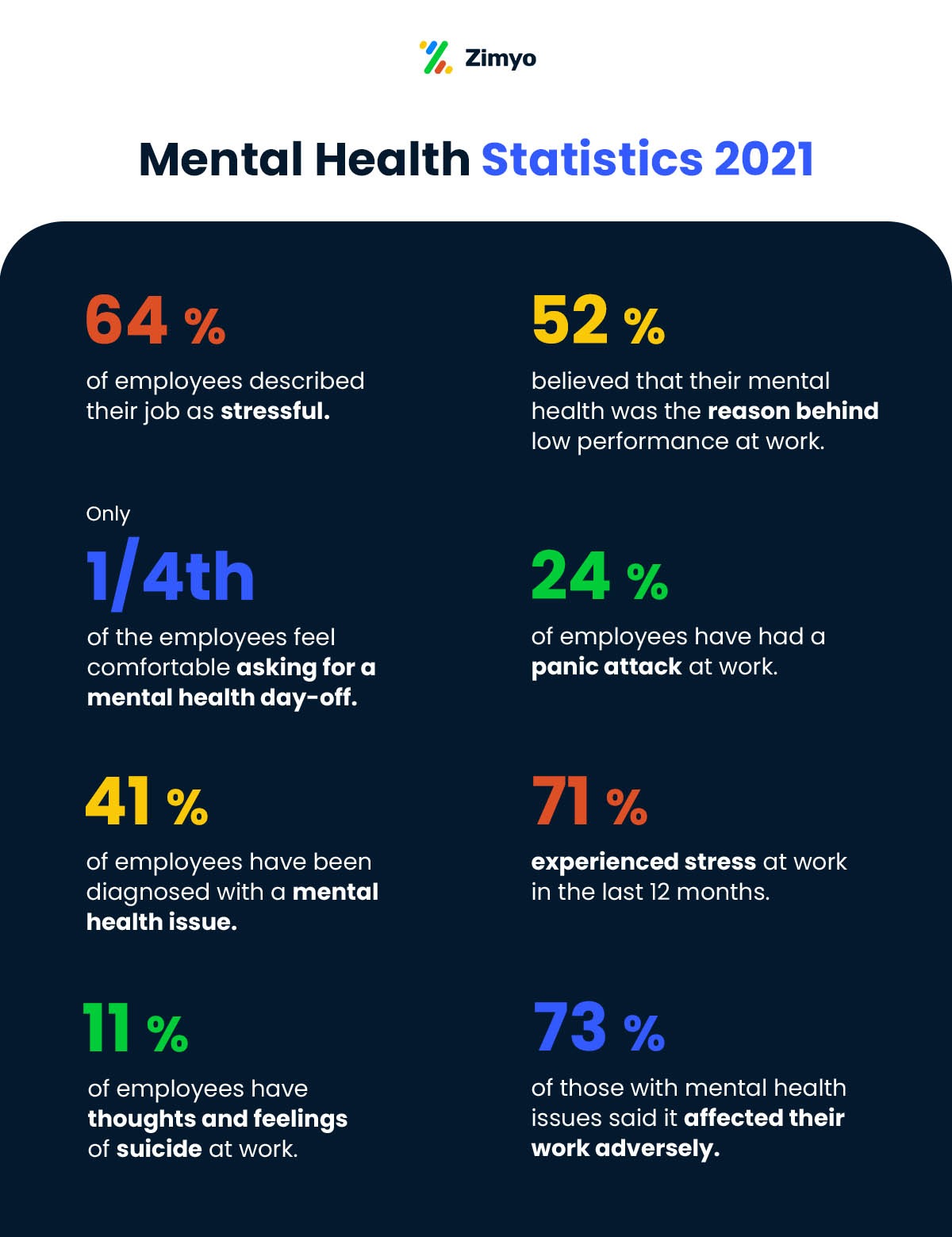
One of the most important objectives of human resource management is ensuring the health and safety of employees at the workplace. HR doesn’t just handle hiring and payroll it also plays a big role in making sure people work in a safe and secure environment.
This is a key part of HRM objectives, because no organization can function properly if employees don’t feel safe at work. When companies follow proper human resource management objectives, they also focus on safety rules, compliance, and workplace well-being. This makes it an important part of overall HR management goals, especially in industries where physical work or fast-paced operations are involved.
Health and safety also connect with the functions and objectives of HRM, as HR teams are responsible for creating safety policies, conducting training, and ensuring emergency procedures are in place. The focus is not only on avoiding accidents but also on building a culture where employees feel protected and cared for.
Simple breakdown:
- Ensuring safe working conditions
- Following legal safety and compliance rules
- Providing safety training and awareness
- Creating emergency response systems
- Promoting employee well-being and care
This is why workplace safety is considered a core part of objectives of HRM, because a safe employee is more productive, more confident, and more likely to stay with the organization long-term.
8. Diversity and Inclusion

One of the important objectives of human resource management is to create a workplace where people from different backgrounds can work together comfortably and fairly. This is not just about hiring different kinds of people it’s also about making sure everyone gets equal respect, opportunity, and support at work.
This is a key part of HRM objectives, because a diverse workplace often leads to better ideas, stronger teamwork, and improved decision-making. When companies follow proper human resource management objectives, they also focus on fairness in hiring, promotions, and day-to-day work culture. This makes it an important part of overall HR management goals, especially for organizations that want to grow in a competitive market.
Diversity and inclusion also connect with the functions and objectives of HRM, as HR teams design policies, training sessions, and recruitment practices that support equal opportunity and reduce bias in the workplace.
Simple breakdown:
- Promoting equal opportunity for all employees
- Encouraging respect for different backgrounds and cultures
- Reducing bias in hiring and promotions
- Building an inclusive workplace culture
- Supporting teamwork across diverse groups
This is why DEI is a core part of objectives of HRM, because when employees feel respected and included, they contribute more confidently and help the organization grow in a healthier and more balanced way.
9. Organizational Culture
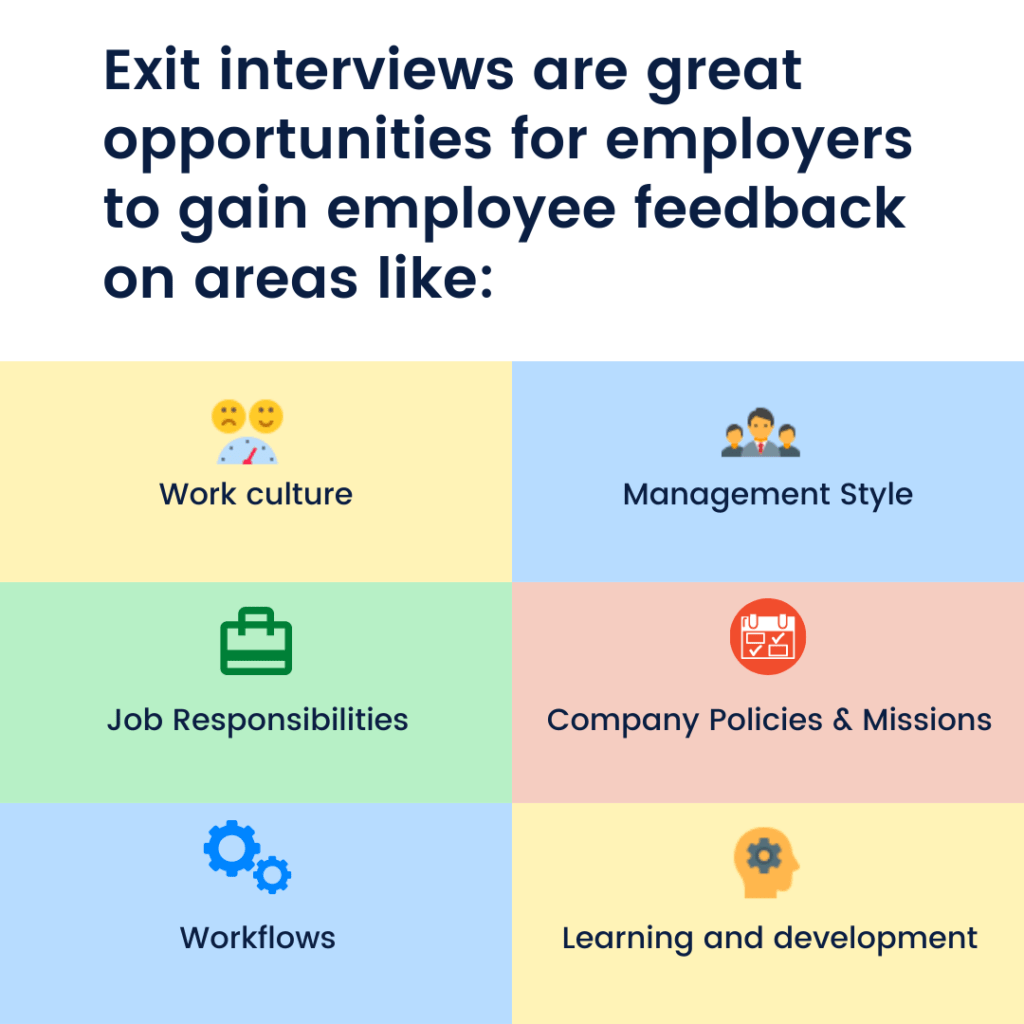
One of the important objectives of human resource management is shaping and maintaining a positive workplace culture. Culture is basically how people behave, communicate, and work together inside an organization. It quietly influences everything from teamwork to productivity.
This is a key part of HRM objectives, because even with good processes and skilled employees, things don’t work well if the work environment feels negative or disconnected. When companies focus on human resource management objectives, they try to build a culture where people can communicate openly, work with trust, and feel comfortable in their roles. This also becomes an important part of overall HR management goals, especially in growing organizations.
Workplace culture is also closely connected with the functions and objectives of HRM, as HR plays a role in communication, leadership development, conflict handling, and policy implementation—all of which shape how employees experience the workplace.
Simple breakdown:
- Creating a positive and respectful work environment
- Improving communication between teams
- Supporting leadership and teamwork
- Managing conflicts in a healthy way
- Aligning employee behavior with company values
This is why workplace culture is a core part of objectives of HRM, because when the culture is strong, employees naturally work better together and contribute more effectively to organizational success.
10. Employee Retention
One of the most practical objectives of human resource management is retaining good employees for as long as possible. Hiring new people takes time, effort, and money, so when employees leave frequently, it directly affects both productivity and cost.
This is an important part of HRM objectives, because companies perform better when experienced employees stay and grow with them. When organizations focus on human resource management objectives, they try to improve engagement, provide learning opportunities, and recognize employee contributions so people feel more connected to their work. This also becomes a key part of overall HR management goals, especially in industries where turnover is naturally high.
Employee retention is also closely linked with the functions and objectives of HRM, as it supports workforce stability, succession planning, and knowledge continuity within the organization.
Simple breakdown:
- Reducing employee turnover and attrition
- Improving job satisfaction and engagement
- Offering growth and learning opportunities
- Recognizing and rewarding employee performance
- Building long-term workforce stability
example: Think of a hotel chain during peak travel season. If experienced front-desk staff and housekeeping supervisors keep leaving every few months, the hotel constantly has to train new people. This slows down service and affects guest experience. But when the hotel focuses on retention through better training, recognition, and growth opportunities employees stay longer. As a result, the staff becomes more skilled, guest service improves, and operations run much more smoothly.
This is why retention is such an important part of objectives of HRM, because when employees stay longer, companies save cost, retain experience, and build a more stable and efficient workforce.
Key Benefits of Human Resource Management Objectives
- Helps in building a more organized and structured workplace where employees clearly understand their roles
- Improves overall employee performance by setting clear expectations and goals
- Reduces employee turnover by focusing on satisfaction, engagement, and retention strategies
- Supports better hiring decisions by attracting and selecting the right talent for the right roles
- Increases productivity by aligning employee efforts with business goals
- Improves workplace communication and coordination between teams and departments
- Encourages continuous learning and skill development through training and development programs
- Helps maintain fair compensation, benefits, and recognition systems
- Ensures compliance with labor laws, safety standards, and workplace policies
- Builds a positive workplace culture where employees feel valued and motivated
The Crux
To sum it up, the objectives of human resource management are not just about hiring people or managing payroll. They actually shape how a company runs every single day from planning the right workforce to making sure employees feel supported and valued. When the objectives of HRM are followed properly, work becomes more organized, and people naturally perform better.
Whether you’re a business owner, manager, or someone exploring HR as a career, understanding the scope and objectives of HRM gives you a clearer picture of how important people management really is. From manpower planning objectives to the social objectives of human resource management, every part plays a role in building a workplace where things actually work smoothly instead of feeling chaotic.
In today’s time, companies are also using tools like Zimyo to make HR processes simpler and more efficient, from hiring to employee management. It just shows how HR is becoming more structured and practical, not just theoretical.
At the end of the day, HRM is not only about managing employees—it’s about helping them grow, staying connected with them, and building a workplace where both the company and people move forward together.
Frequently Asked Questions (FAQs)
What are the 7 main functions of HR?
The seven main functions of HR are:
Recruitment and Staffing: Attracting, hiring, and onboarding employees to meet the organization’s staffing needs.
Training and Development: Providing employees with the skills and knowledge needed to perform their roles effectively and grow in their careers.
Performance Management: Setting performance expectations, monitoring employee performance, and providing feedback to improve productivity.
Compensation and Benefits: Designing and managing salary structures, bonuses, and benefits packages to attract and retain talent.
Employee Relations: Managing relationships between employees and the organization, addressing issues like conflict resolution, grievance handling, and fostering a positive work environment.
Compliance with Labor Laws: Ensuring the organization adheres to all local, state, and national labor laws and regulations.
Health and Safety: Promoting and maintaining a safe and healthy work environment, complying with health and safety standards.
What are the objectives of resource management?
The objectives of resource management are:
Optimal Utilization of Resources: Ensuring that resources (human, financial, or physical) are used efficiently and effectively to achieve organizational goals.
Cost Control: Managing resources in a way that minimizes waste and reduces operational costs while maintaining quality.
Maximizing Productivity: Ensuring that resources are allocated to the right tasks to boost productivity and performance across the organization.
Ensuring Resource Availability: Planning and organizing resources to ensure they are available when needed, avoiding shortages or delays in production or service delivery.
Sustainability: Managing resources in a sustainable way, ensuring that they are used responsibly without depleting them for future use.
Flexibility and Adaptability: Being able to adjust resource allocation quickly in response to changing business needs or external factors.
What are the four main objectives of Human resource planning?
The four main objectives of Human Resource Planning are:
Forecasting Future HR Needs: Identifying the number and types of employees required to meet organizational goals and address future business demands.
Ensuring Optimal Resource Utilization: Making sure that the right number of employees with the right skills are available at the right time to avoid both shortages and overstaffing.
Employee Development: Planning for the training, development, and growth of employees to meet the organization’s evolving needs and improve workforce performance.
Achieving Organizational Goals: Aligning the HR strategy with the overall business strategy to ensure that the workforce contributes effectively to the organization’s objectives and growth.
What are the objectives of HCM?
The objectives of Human Capital Management (HCM) are:
Attracting and Retaining Talent: Identifying, recruiting, and retaining skilled employees who align with the organization’s goals and culture.
Maximizing Employee Performance: Enhancing employee productivity by providing training, development opportunities, and clear performance expectations.
Optimizing Workforce Potential: Ensuring that employees’ skills and abilities are effectively utilized, leading to better job satisfaction and overall organizational performance.
Promoting Employee Engagement: Fostering a positive work environment that encourages motivation, commitment, and active participation in organizational success.
Succession Planning: Identifying and preparing future leaders within the organization to ensure a smooth transition and continuity in leadership roles.
Ensuring Legal and Ethical Compliance: Adhering to labor laws and ethical standards to protect both the organization and its employees, ensuring fair treatment and compliance with regulations.
Aligning HR Strategies with Business Goals: Ensuring that HCM strategies and practices support the overall business strategy, helping the organization achieve its long-term objectives.