

Managing performance at work is no longer something companies do once a year. In many organizations today, especially with remote and hybrid teams, it’s become an ongoing process. Teams need better ways to stay aligned, track progress, and understand how work is actually getting done.
That’s why more businesses are now using tools to track employee performance instead of relying on manual methods. Whether it’s setting goals, reviewing progress, or giving regular feedback, the right employee performance tracking software can make things easier to manage on a day-to-day basis.
In this blog, we’ve listed 12 effective tools to track employee performance that are being used by startups as well as larger companies. These include everything from simple employee tracking tools for businesses to more advanced KPI tracking software and OKR tracking tools.
If you’re trying to figure out how to track employee performance effectively, this list will give you a clear starting point. We’ve focused on tools that are easy to use, practical, and actually help teams stay on top of their work without adding too much complexity.
List of the 12 Effective Tools to Track Employee Performance in India (2026)
Here’s a list of 12 effective tools to track employee performance in India for 2026, based on what teams are actually using today. These tools cover different needs, from basic performance tracking to more structured systems that help manage goals, feedback, and overall productivity.
- Zimyo
- Peoplebox
- Zoho People
- Synergita
- Qandle
- Beehive HRMS
- 247HRM
- HRMantra
- Spine HRMS
- Pocket HRMS
- BetterPlace HRMS
- FactoHR
Now, let us know about the details and distinctive features of these Effective Tools to Track Employee Performance in India.
1. Zimyo PMS
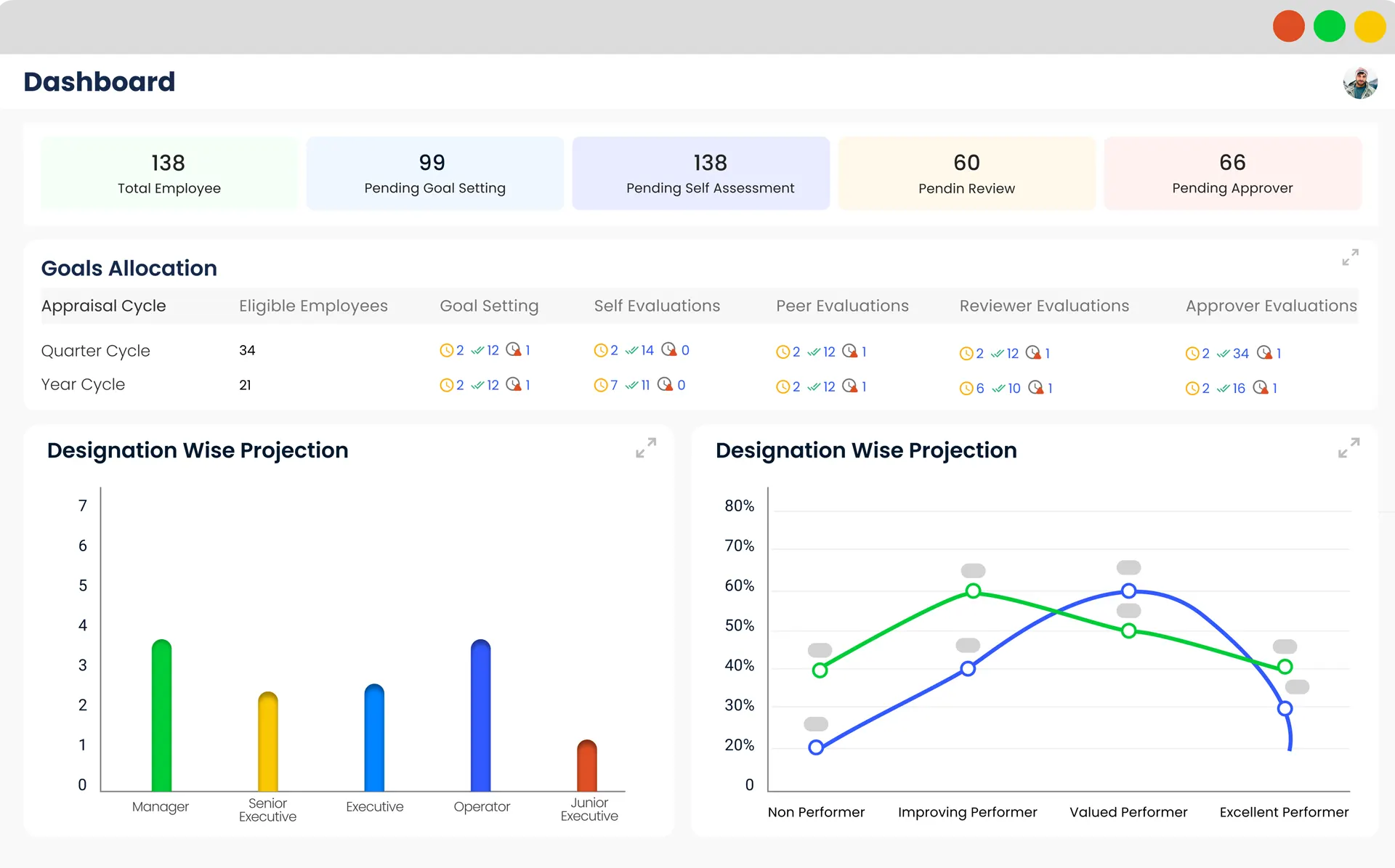
Key Features of Zimyo PMS:
a) OKRs (Objectives and Key Results)
Zimyo lets teams set goals and actually keep track of them regularly. Instead of just setting targets once and forgetting about them, OKRs help people stay clear on what they’re working towards. It’s one of those things that makes a performance management system more practical in day-to-day work. Over time, this also helps teams stay consistent instead of only focusing on performance during review periods.
b) 360-Degree Feedback
In many companies, feedback usually comes from one person. Here, it’s a bit different. With 360-degree feedback, you can get input from managers, teammates, and others you work with. This gives a more realistic view of performance, which is something most employee performance management tools try to improve. It also helps in spotting things that might otherwise get missed in a regular review.
c) Performance Snapshots
This is useful when you don’t want to go through long reports. Performance snapshots show a quick view of how someone has been doing over time. It helps during reviews and is a simple way to track progress without overcomplicating things, which is important in employee performance tracking software. Especially when there are multiple team members, this saves quite a bit of time.
d) Appraisal Cycles
Zimyo makes appraisals feel less like a chore and more like a celebration. You can set appraisal cycles based on how your company usually works, whether that’s monthly, quarterly, or even yearly. It just makes things a bit more planned instead of everything happening at the last moment.
For teams already using workforce management tools, this kind of setup feels easier to handle over time. Reviews don’t feel sudden, and people are generally more prepared when they know it’s a regular thing. It also helps keep feedback going instead of it being a once-a-year discussion.
e) Goal Alignment
One of Zimyo’s biggest strengths is that it helps every employee see how their work fits into the bigger picture. Whether you’re in sales, HR, tech, or admin, you can align your goals with team and company goals, so you’re never working blindly. This keeps everyone focused, united, and moving in the same direction. It’s a standout feature in the realm of best performance management tools.
f) Performance-Payroll Linkage
Performance and payroll being connected just makes things a bit easier to manage. Instead of handling bonuses or salary changes separately, everything stays linked, so there’s less back-and-forth later.
For teams using employee performance management software, this kind of setup helps avoid small mistakes and saves time during reviews. You can also see how a payroll management system fits into the process, especially when performance data is already in place. It keeps things more consistent instead of treating performance and payouts as two different tasks.
Why it stands out?
Zimyo brings HR and performance management together in one platform, making it easier for teams to manage everything without switching between tools. With features like automation, customizable review templates, and real-time performance insights, it helps simplify everyday HR tasks and improves overall efficiency.
Visual Proof of Zimyo PMS Product Excellence
Businesses that Trust Zimyo Worldwide
Best for:
Best for small to mid-sized businesses that want a complete HR and performance management solution in one place.
2. Peoplebox
Key Features:
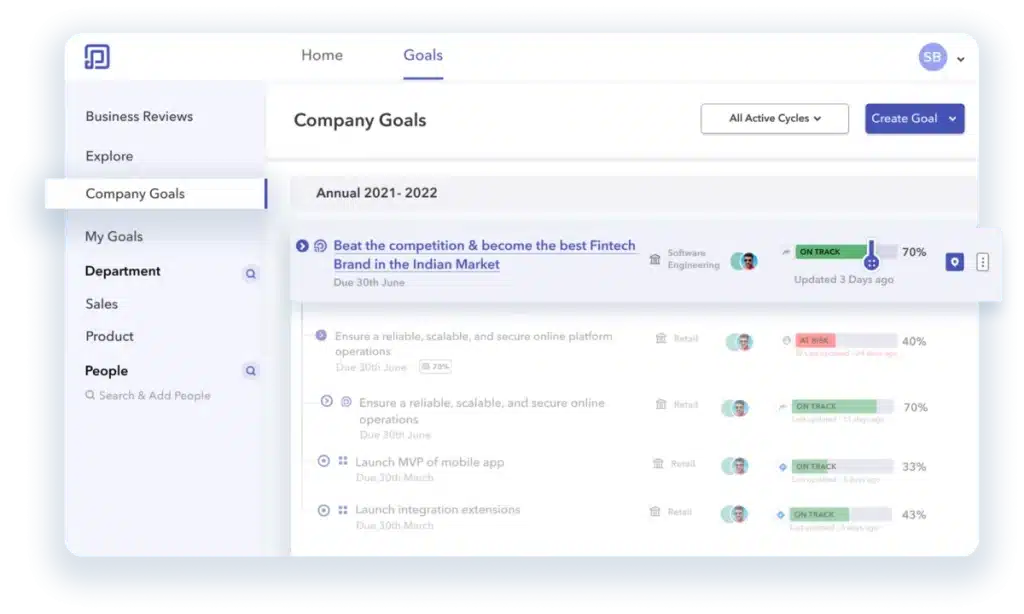
Supports OKRs along with regular weekly check-ins and 1:1 meetings, making it easier to stay on top of goals. It also offers real-time tracking as part of its employee performance management software, and connects with tools like Slack and Teams for smoother communication.
Why it stands out:
- Strong focus on OKRs and goal alignment
- Helps teams stay aligned with business strategy
- Real-time tracking for better performance visibility
Best For:
- Startups and growing teams
- Product-led companies using OKRs
- Teams focused on goal tracking and alignment
Limitations:
It’s mainly focused on performance and OKR tracking, so it doesn’t cover the full HR suite like payroll or core HR functions. Also, for larger teams, some advanced customization or deeper HR integrations may feel limited. That said, it still works well as one of the employee performance management tools in India, especially for startups and growing teams.
3. Zoho People
Key Features:
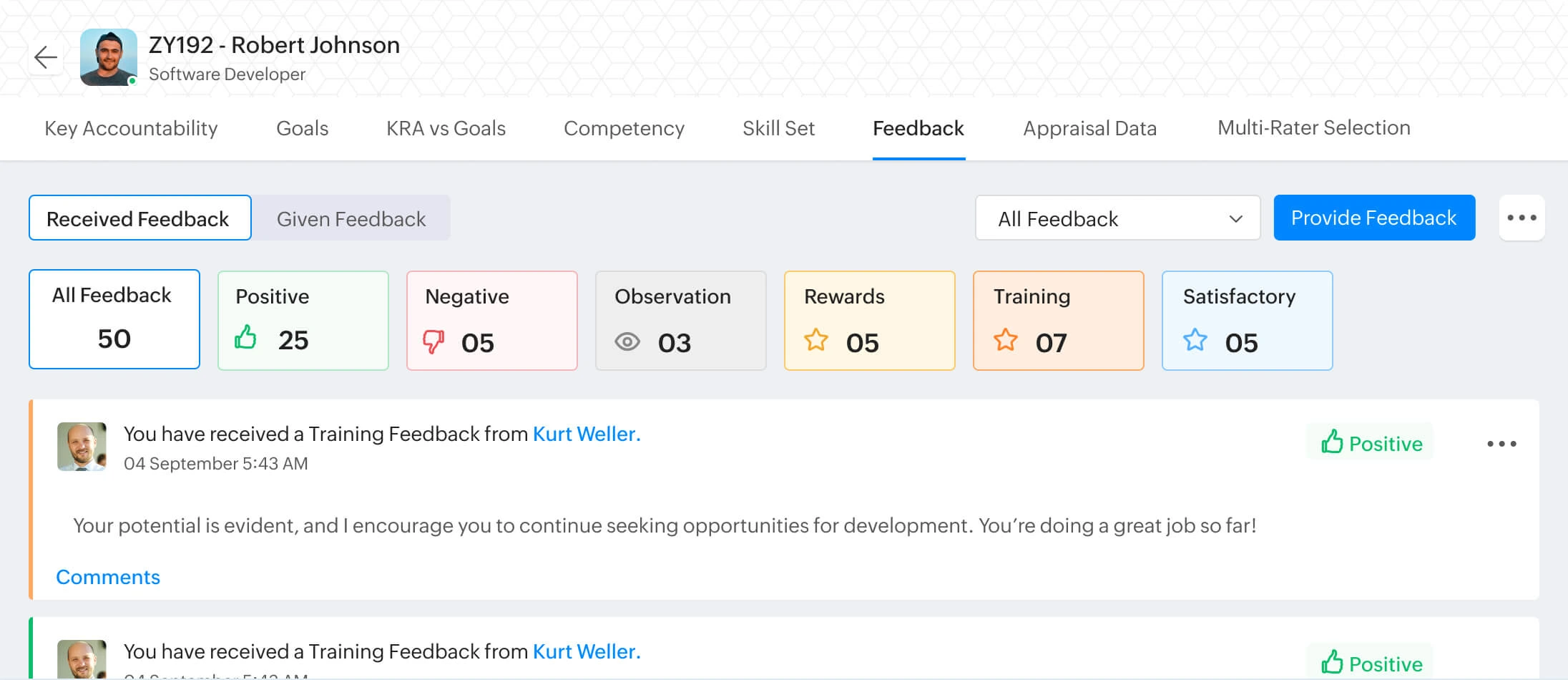
Includes features like performance reviews, KRA tracking, and a skill matrix to understand employee strengths. It also supports self and peer evaluations, making it a useful option among employee performance management tools for structured and ongoing performance tracking.
Why it stands out:
- Strong customization for different HR needs
- Smooth integration with Zoho ecosystem
- Flexible setup for performance workflows
Best For:
- Businesses already using Zoho products
- Teams needing a modular HR and performance system
- Companies looking for customizable HR solutions
Limitations:
The performance module works well, but it can feel secondary to the core HR features. Also, the analytics are there but not as detailed as some dedicated employee performance management tools.
You might also need a bit of setup to get things working the way you want, especially for specific workflows. Still, it’s a decent option, especially for teams already using Zoho products.
4. Synergita
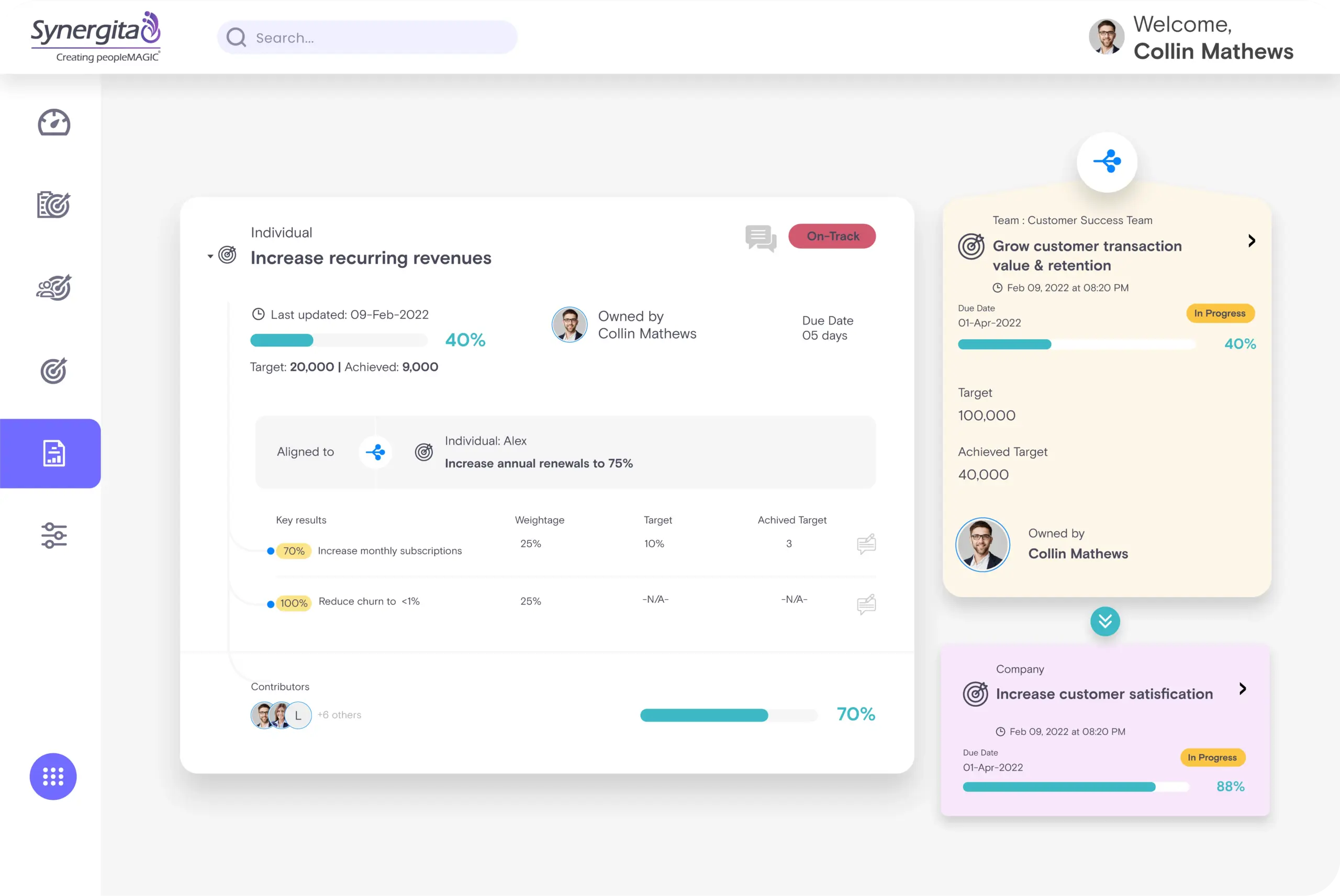
Key Features:
Includes features like OKRs, continuous feedback, and 360-degree reviews, along with regular check-ins to keep performance on track. It works well as an employee performance management tool for teams that prefer ongoing feedback instead of waiting for annual reviews.
Why it stands out:
- Strong focus on continuous feedback and performance
- Supports 360-degree reviews and regular check-ins
- Built for ongoing employee development
Best For:
- Teams focused on continuous performance improvement
- Organizations with feedback-driven work culture
- Companies prioritizing learning and development
Limitations:
It mainly focuses on performance and feedback, so it doesn’t cover broader HR functions like payroll or recruitment. Also, compared to some performance management software or employee performance tracking tools, integrations can feel a bit limited. Still, it works well for teams that focus more on continuous learning and development.
5. Qandle
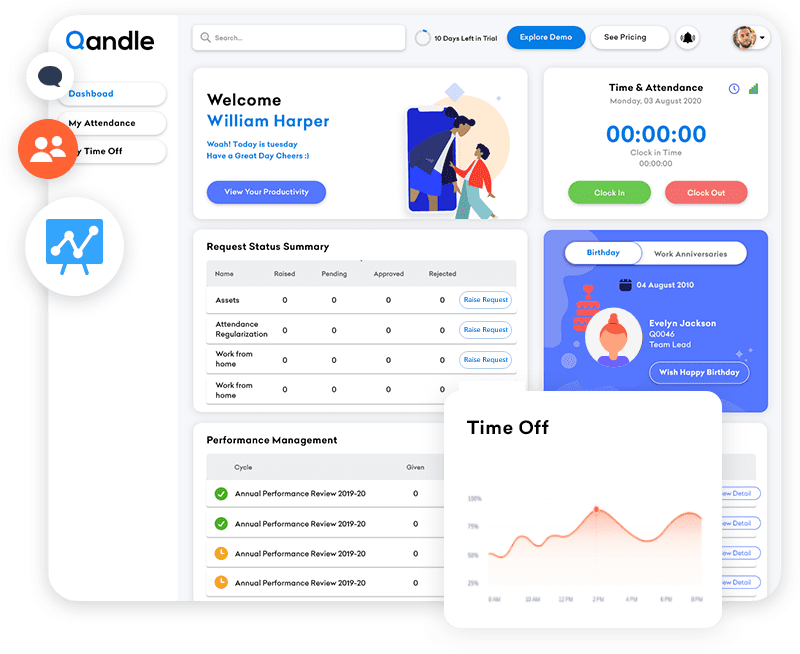
Key Features:
Includes features like 360-degree feedback, OKRs, structured review cycles, and development plans to support employee growth. It works well as a performance management software for teams that want a mix of goal tracking and regular performance reviews.
Why it stands out:
- Simple and easy-to-use interface
- Quick setup with mobile-friendly design
- Supports 360° feedback and review cycles
Best For:
- Startups and growing teams
- Businesses looking for lightweight performance tools
- Teams needing mobile-friendly HR solutions
Limitations:
Goal tracking and analytics are available, but they may not feel as detailed or flexible as some advanced performance management software. It’s still a practical option for teams looking at employee performance management tools in India, especially when working with a limited budget.
6. Beehive HRMS
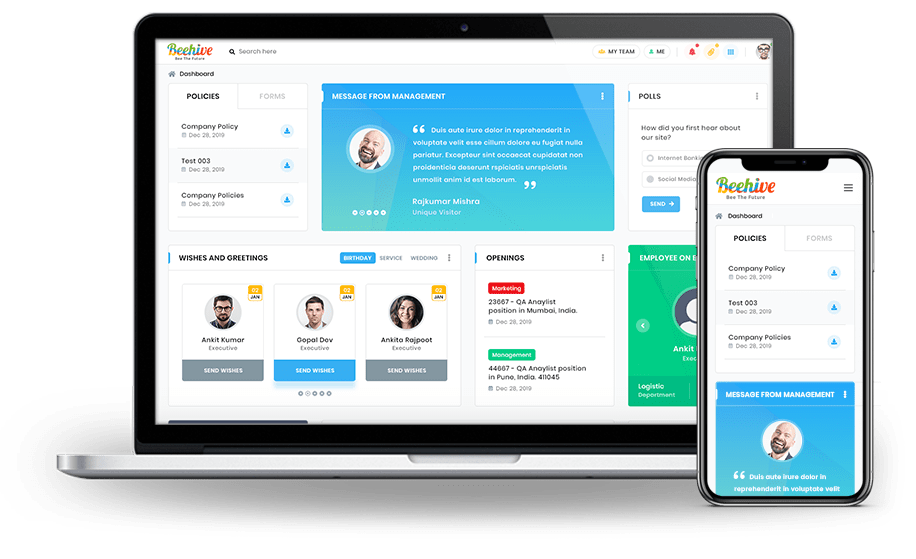
Key Features:
Includes features like appraisal management, KPI tracking, and structured performance workflows to manage employee evaluations more smoothly. It works well as an employee performance tracking software for teams that want a simple way to handle reviews and track performance.
Why it stands out:
- Covers both HR and performance management in one system
- Strong focus on KPI tracking and appraisal workflows
- Suitable for structured performance processes
Best For:
- Mid-sized companies
- Businesses needing HR + performance in one tool
- Teams looking for structured appraisal systems
Limitations:
The interface can feel a bit outdated, and getting started may take some time or basic training. Compared to some modern performance management software or employee tracking tools, the overall experience may not feel as smooth. Still, it’s a decent option for growing businesses looking for simple performance management.
7. 247HRM
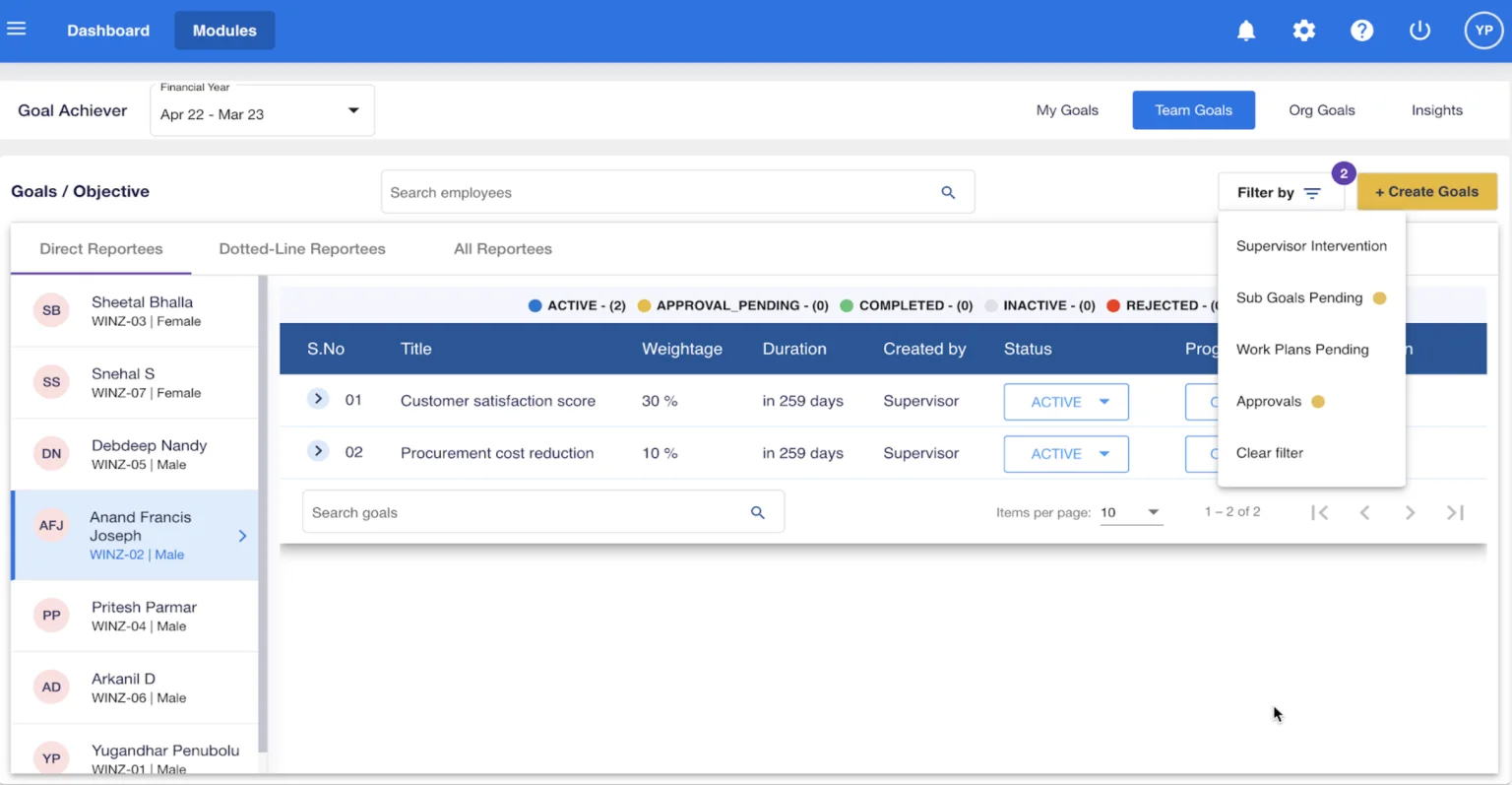
Key Features:
Offers features like appraisal cycles, rating systems, and configurable review templates to manage evaluations more easily. It’s useful for teams that want a structured way to handle reviews and employee assessments.
Why it stands out:
- Simple setup with ready-to-use appraisal tools
- Budget-friendly for small teams
- Customizable review templates and rating systems
Best For:
- Small businesses and startups
- Teams new to performance management tools
- Companies looking for basic appraisal solutions
Limitations:
It may not scale well for larger teams, and it’s not the best fit for companies following an OKR-based or more agile performance approach. Still, it works fine for teams that prefer a simpler, more traditional setup.
8. HRMantra
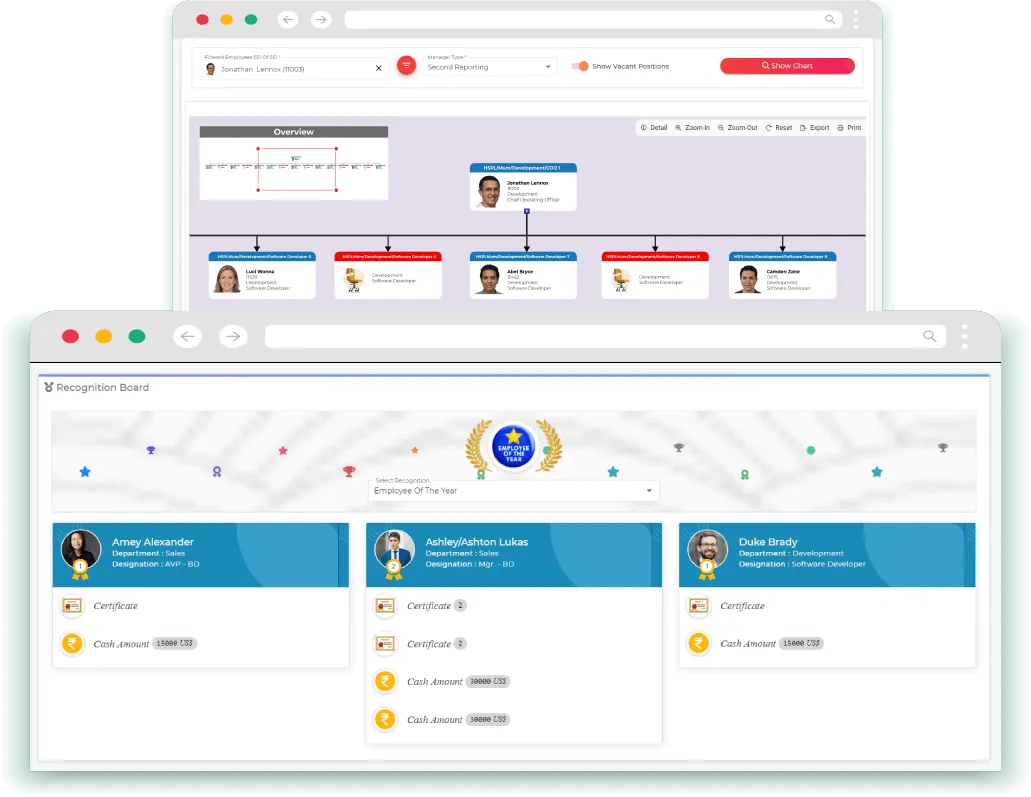
Key Features:
Includes features like MBO and OKR tracking, structured appraisal workflows, and performance scorecards to keep evaluations organized. It’s useful for teams that want a clear way to track goals and review performance over time.
Why it stands out:
- Highly configurable performance workflows
- Supports MBO and OKR-based goal tracking
- Detailed performance scorecards and reporting
Best For:
- Large enterprises
- Companies with complex appraisal processes
- Teams needing advanced performance tracking
Limitations:
It comes with a lot of features, but the system can feel a bit complex for new or regular users. Since it’s part of a broader HR setup, it may take some time to get fully comfortable with all the workflows. Still, it works well for larger teams that need a more detailed and structured performance process.
9. Spine HRMS

Key Features:
Includes features like appraisal forms, manager feedback, and basic goal alignment to keep performance tracking structured. It also supports goal setting and evaluations, making it easier for teams to review progress over time without relying on manual methods.
Why it stands out:
- Covers complete HR lifecycle from hiring to performance
- Strong focus on KPI-based appraisals and structured reviews
- Centralized dashboard for better visibility and tracking
Best For:
- Small to mid-sized businesses
- Teams looking for basic HR + performance in one system
- Companies needing structured and compliance-focused HR processes
Limitations:
It covers the basics well, but some newer features like OKRs or real-time feedback are limited. It’s a good fit for teams that are just getting started and want a simple way to manage performance without too many complexities.
10. Pocket HRMS
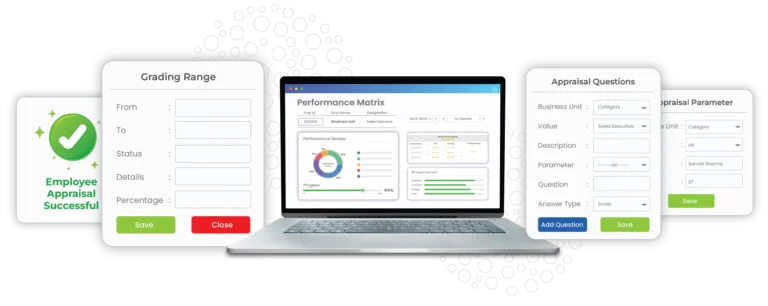
Key Features:
Includes features like ready-to-use review templates, performance evaluations, and an HR dashboard to keep everything in one place. It helps teams manage reviews and get a quick overview of employee performance without much manual effort.
Why it stands out:
- All-in-one HRMS covering payroll, attendance, and performance
- Cloud-based system with automation and real-time tracking
- Includes employee self-service and AI-driven features
Best For:
- Small to mid-sized businesses
- Companies looking for a complete HR + performance solution
- Teams wanting a simple, cloud-based HR system
Limitations:
The performance module is fairly basic and may not offer the same depth as more advanced tools. It works better for teams that just need simple performance tracking rather than detailed analytics. Still, it’s a good option for small teams starting out with automation.
11. BetterPlace HRMS
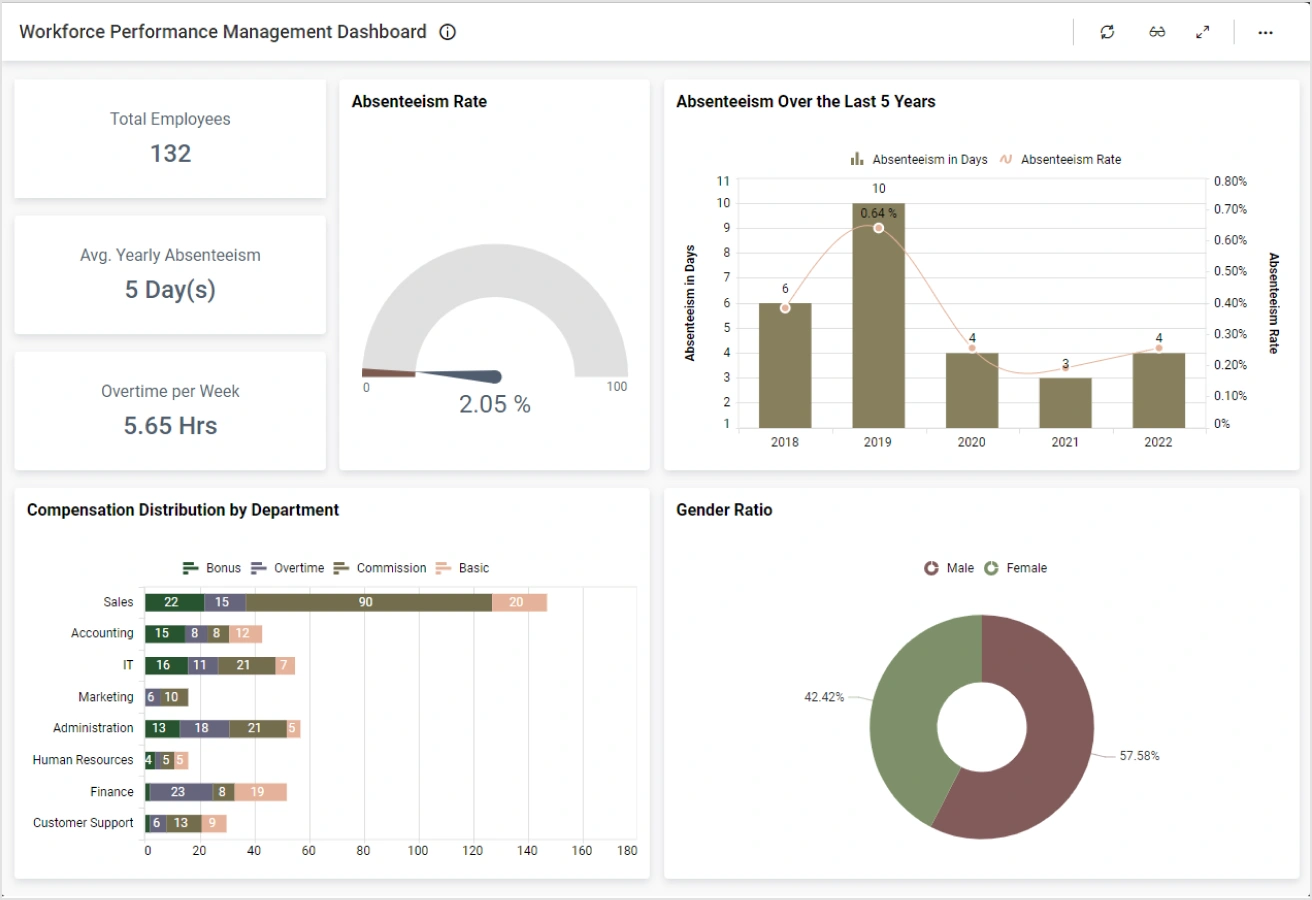
Key Features:
features like role-based goals, regular check-ins, manager feedback, and a performance tracking dashboard. It helps teams keep track of progress and manage employee performance in a more structured way.
Why it stands out:
- Built specifically for frontline and distributed workforce
- Covers complete employee lifecycle from hiring to payroll
- Strong focus on automation, compliance, and workforce management
Best For:
- Logistics, retail, and operations-heavy industries
- Companies managing blue-collar or field workforce
- Businesses needing end-to-end workforce management
Limitations:
Customization options can feel a bit limited, especially for white-collar or corporate setups with more complex needs. It’s better suited for operations-heavy teams where requirements are more straightforward. Still, it works well for industries like logistics, retail, and manufacturing.
12. factoHR
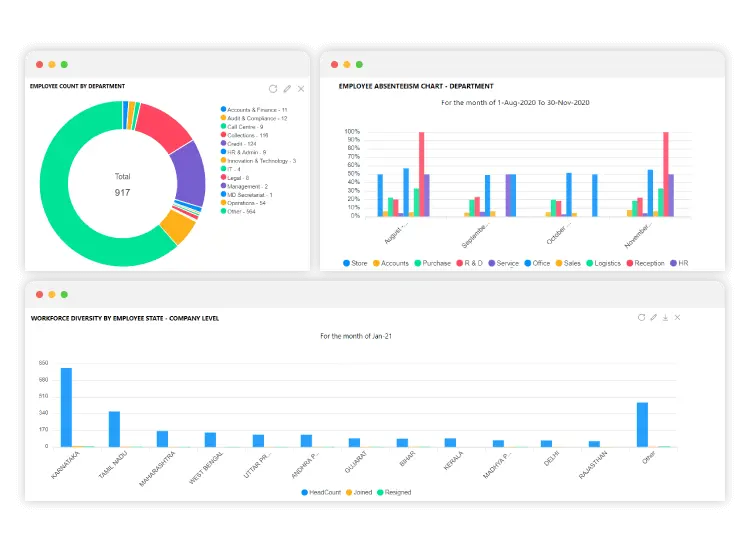
Key Features:
Includes features like OKRs, appraisal cycles, feedback management, and performance-linked rewards. It helps teams manage goals, track progress, and connect performance with rewards in a more structured way.
Why it stands out:
- Strong integration of performance, payroll, and core HR in one platform
- Real-time performance tracking with dashboards and analytics
- Supports OKRs, 360° feedback, and continuous performance reviews
Best For:
- Small to mid-sized businesses and growing teams
- Companies looking for an all-in-one HRMS with performance tracking
- Teams that want performance linked with payroll and goal alignment
Limitations:
The mobile app has limited features when it comes to performance management, so most tasks are easier to handle on desktop. It still works well for teams that prefer managing everything in one system without switching tools.
Top Employee Performance Management Tools in India — 2026 Comparison
Tool | Best For | Key Features | What Makes It Stand Out | Limitations |
Zimyo | Small to mid-sized businesses looking for an all-in-one HR and performance solution | OKRs, 360° feedback, performance snapshots, appraisal cycles, goal alignment, performance–payroll linkage | Combines HR, payroll, and performance in one platform with automation and real-time insights | May feel feature-heavy for very small teams |
Peoplebox | Startups and product-focused teams working with OKRs | OKRs, weekly check-ins, 1:1 meetings, Slack/Teams integration, real-time tracking | Strong focus on goal alignment and OKR tracking | Not a complete HR system |
Zoho People | Companies already using Zoho or needing a flexible HRMS | Performance reviews, KRA tracking, skill matrix, self/peer feedback | Easy integration with other Zoho tools and customizable modules | Performance features are not as advanced as dedicated tools |
Synergita | Teams that prefer continuous feedback and learning-based performance | OKRs, continuous feedback, 360° reviews, regular check-ins | Designed for ongoing feedback and employee development | Limited integration with payroll and recruitment systems |
Qandle | Growing teams looking for simple and mobile-friendly performance tools | 360° feedback, OKRs, review cycles, development plans | Easy to use with quick setup and clean interface | Goal tracking and analytics are relatively basic |
Beehive HRMS | Mid-sized companies needing HR and performance in one system | Appraisal management, KPI tracking, performance workflows | Covers core HR and performance needs together | Interface can feel slightly outdated; setup may take time |
247HRM | Small businesses starting with performance automation | Appraisal cycles, rating systems, customizable templates | Budget-friendly and easy to get started | Not ideal for OKR-based or agile performance models |
HRMantra | Large organizations with detailed appraisal workflows | MBO/OKR tracking, appraisal workflows, performance scorecards | Highly configurable with strong goal cascading | Can be complex for new users |
Spine HRMS | Small teams looking for basic HR and performance features | Appraisal forms, manager feedback, basic goal alignment | Covers essential performance needs at a lower cost | Lacks advanced features like OKRs or real-time feedback |
Pocket HRMS | Small businesses moving to digital HR systems | Review templates, evaluations, performance dashboard | Simple, cloud-based, and budget-friendly | Performance module is fairly basic |
BetterPlace HRMS | Companies managing frontline or distributed workforce | Role-based goals, check-ins, manager feedback, performance dashboard | Built for operations-heavy industries like logistics and retail | Limited customization for corporate environments |
factoHR | Businesses that want performance linked with payroll | OKRs, appraisal cycles, feedback management, performance-linked rewards | Strong integration between performance and payroll | Mobile performance features are limited |
How to Choose the Right Performance Management Tool in India in 2026?
Choosing the right tool isn’t just about features—it really depends on how your team works and what you expect from your process. With so many employee performance management tools available today, it helps to focus on what actually matters for your business.
Here are a few things worth considering:
- Start with what you actually need: Before picking any tool, think about how your team works. Some teams do frequent reviews, others don’t. This usually helps in choosing the right tools to track employee performance instead of going through too many options.
- Don’t ignore basic features: Things like goal setting, OKRs, or even simple feedback options matter more than you think. Most performance management software offer these, but how easy they are to use makes a difference.
- Check if it fits with your current setup: If the tool doesn’t connect well with your HRMS or payroll, it can create extra work later. This is something many teams face when using different employee tracking tools for businesses.
- Think about remote teams too: If people are not always in the office, having mobile access or simple tracking becomes important. Otherwise, it just gets harder to manage.
- Ease of use matters more than features: A lot of tools look good on paper, but if your team finds them confusing, they won’t really use them. Simple tools usually work better in the long run.
- Will it work as you grow? This is something people often miss. A tool that works for 10 people may not work the same for 100. Basic automation can save time here.
- Data safety is something you can’t ignore: Since employee data is involved, it’s better to check how secure the system is instead of assuming everything is covered.
- Support also makes a difference: Sometimes things don’t work the way you expect, so having decent support or some flexibility helps more than you realize.
- Don’t just go for the cheapest option: It’s tempting, but not always useful. A slightly better tool can actually save more time and effort later.
The Essence
Choosing the right employee performance management tool really depends on how your team works—your size, goals, and how you handle things like feedback, OKRs, or reviews. Some teams need a complete system, while others just want something simple to manage appraisals and track progress.
This list covers a mix of both, from basic tools to more advanced platforms that support goal alignment, feedback, and regular tracking. If you’re looking for something that brings HR and performance together, tools like Zimyo can be worth exploring, especially for growing teams.
In the end, the goal is simple—make performance management easier, more consistent, and actually useful for both managers and employees.
Frequently Asked Questions (FAQs)
What are the key elements of an effective performance management system?
An effective performance management system includes clear goal setting, regular feedback, and consistent performance tracking. It also focuses on employee development and fair evaluations to improve overall productivity.
Most modern employee performance management tools bring these elements together in one place. Tools like Zimyo make it easier to manage goals, feedback, and reviews without too much manual work.
What is the best tool for performance management?
The best performance management tool really depends on your company’s size, workflow, and what you need from the system. In India, tools like Zimyo are often considered by growing businesses because they bring HR and performance together in one place.
With features like goal tracking, continuous feedback, appraisal cycles, and performance-linked payroll, it helps teams move beyond yearly reviews and manage performance more regularly. It’s generally a good fit for SMBs and mid-sized companies that want a simple, all-in-one way to handle people and performance without using multiple tools.
What is the difference between KPI and OKR?
KPIs measure performance based on specific metrics, while OKRs focus on setting goals and tracking outcomes. Both are commonly used in performance management software.